Heroes Hub News
Stories, guides and updates from across the veteran community.
What the Armed Forces Covenant Means in Practice
The Armed Forces Covenant is a commitment made by the government, businesses and communities across the UK to ensure that those who serve or have served in the armed forces are not disadvantaged because of their service. It also extends to their families.

What Is the Veterans’ Railcard and How Do You Get It?
If you have served in the UK armed forces, you may be entitled to a Veterans’ Railcard, which offers a third off the price of most rail fares across Great Britain. It is one of the more practical benefits available to veterans and worth having if you travel by train with any regularity.

What Employers Really Think About Hiring Veterans
Veterans can sometimes feel uncertain about how they are perceived in the civilian job market. There is a gap between the confidence many veterans have in their own capabilities and the confidence they feel about presenting those capabilities to employers.
Veterans and Volunteering: Giving Back After Service
A sense of purpose and contribution is central to military life. When that structure ends, finding other ways to serve, support and make a difference becomes important for many veterans.

Veterans and Universal Credit: What to Expect
Leaving the forces and finding yourself applying for Universal Credit can feel like a significant shift. The system is designed for civilians and can feel unfamiliar to those whose working lives have been structured entirely by the military.
Veterans and Sport: How Competitive Drive Transfers to Civilian Life
Physical fitness is central to military life. For many veterans, sport and exercise are not just habits formed during service but a core part of who they are.
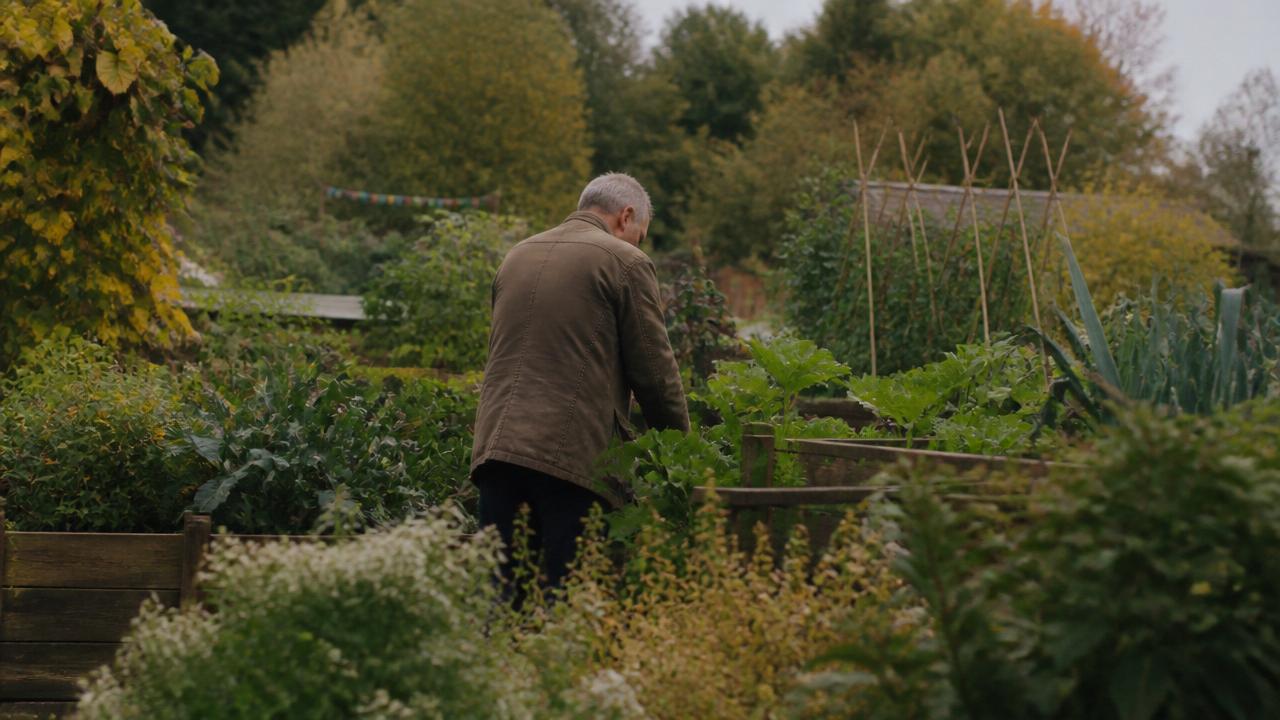
Veterans and Gardening: Finding Calm After Service
Gardening might not be the first thing that comes to mind when thinking about life after the military, but it has become an increasingly recognised source of wellbeing for veterans.
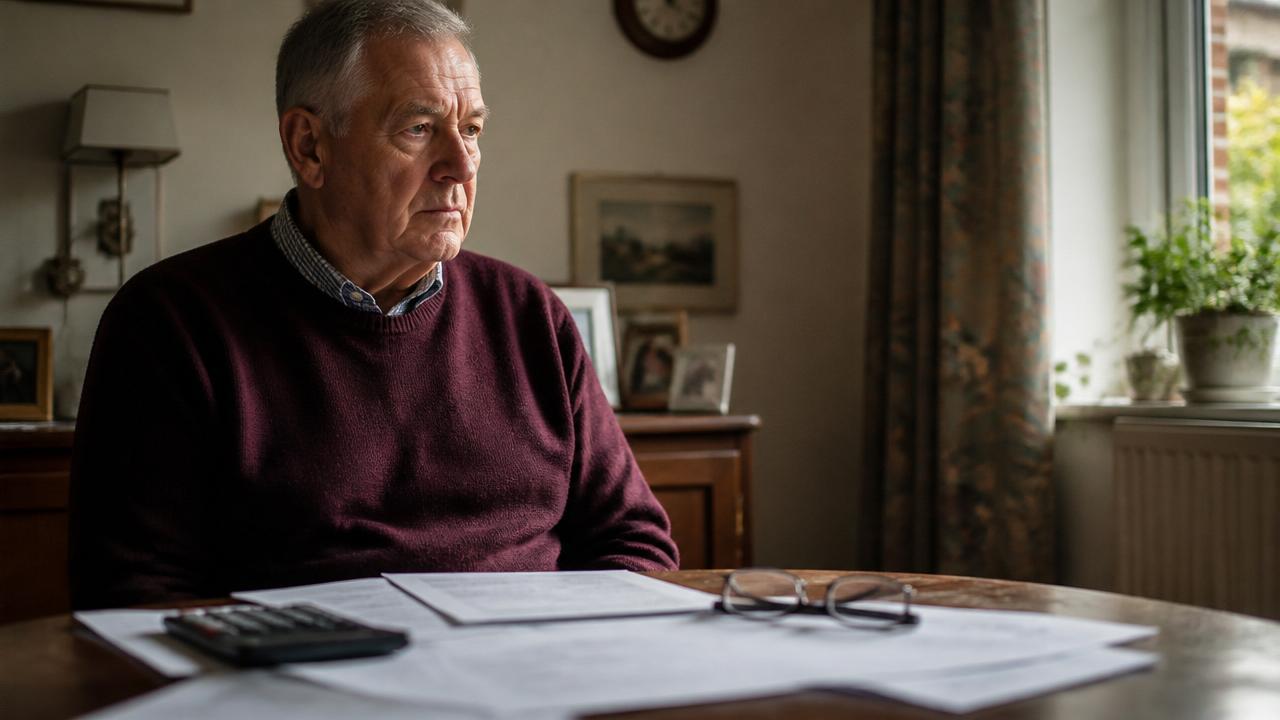
Understanding the War Pension Scheme
The War Pension Scheme is one of the longest-standing forms of financial support available to veterans in the UK. It provides payments to those who have suffered injury, illness or disability as a result of their service, and in some cases to the surviving dependants of those who have died due to their service.
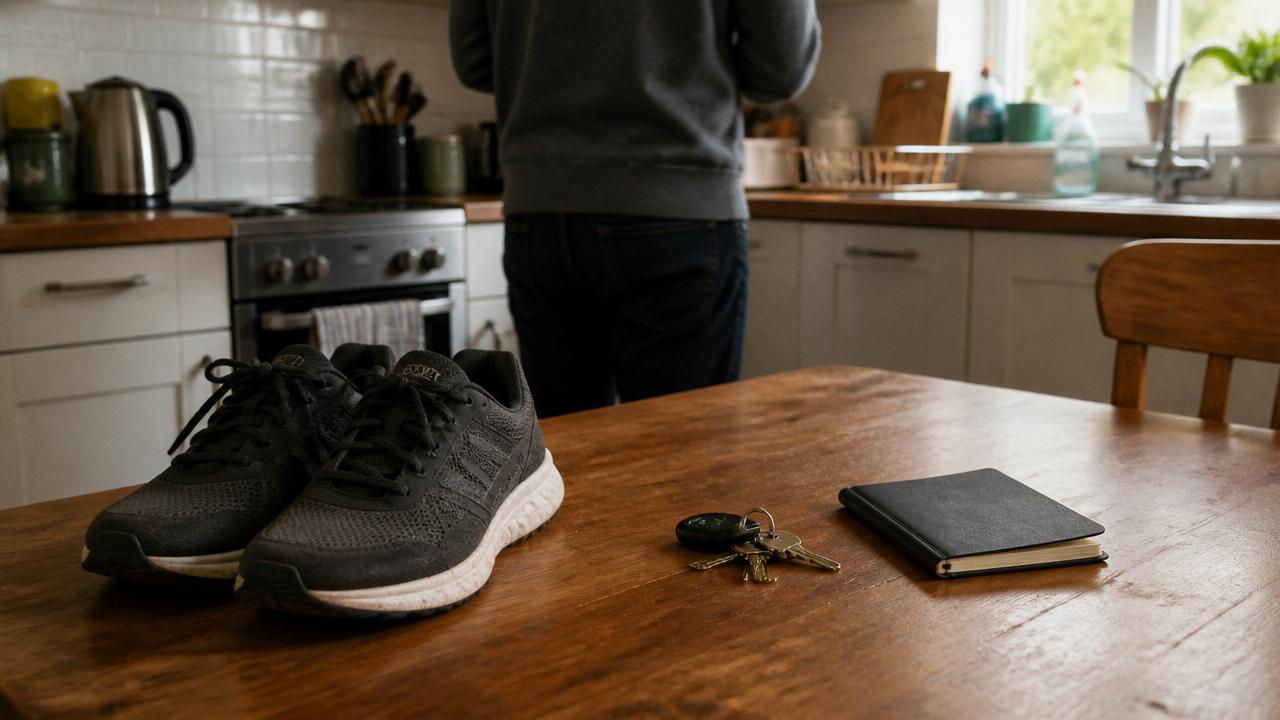
The Power of Routine: How Structure Helps Veterans Thrive
One of the things veterans frequently mention when talking about the challenges of civilian life is the loss of structure. Military life is built around routine. You know when to get up, what you are doing that day, what is expected of you and where you fit in.
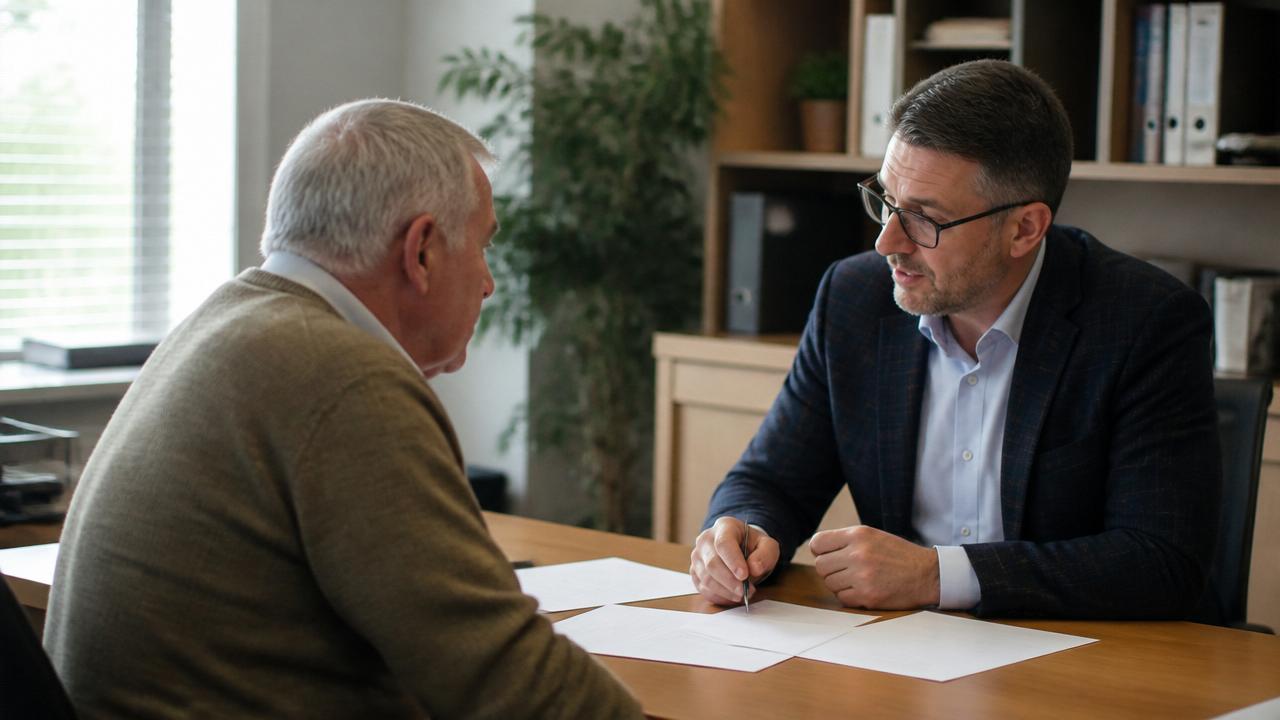
The Differences Between AFPS 75, AFPS 05 and AFPS 15
The Armed Forces Pension Scheme has changed significantly over the decades, and the scheme you are on depends largely on when you joined the military.
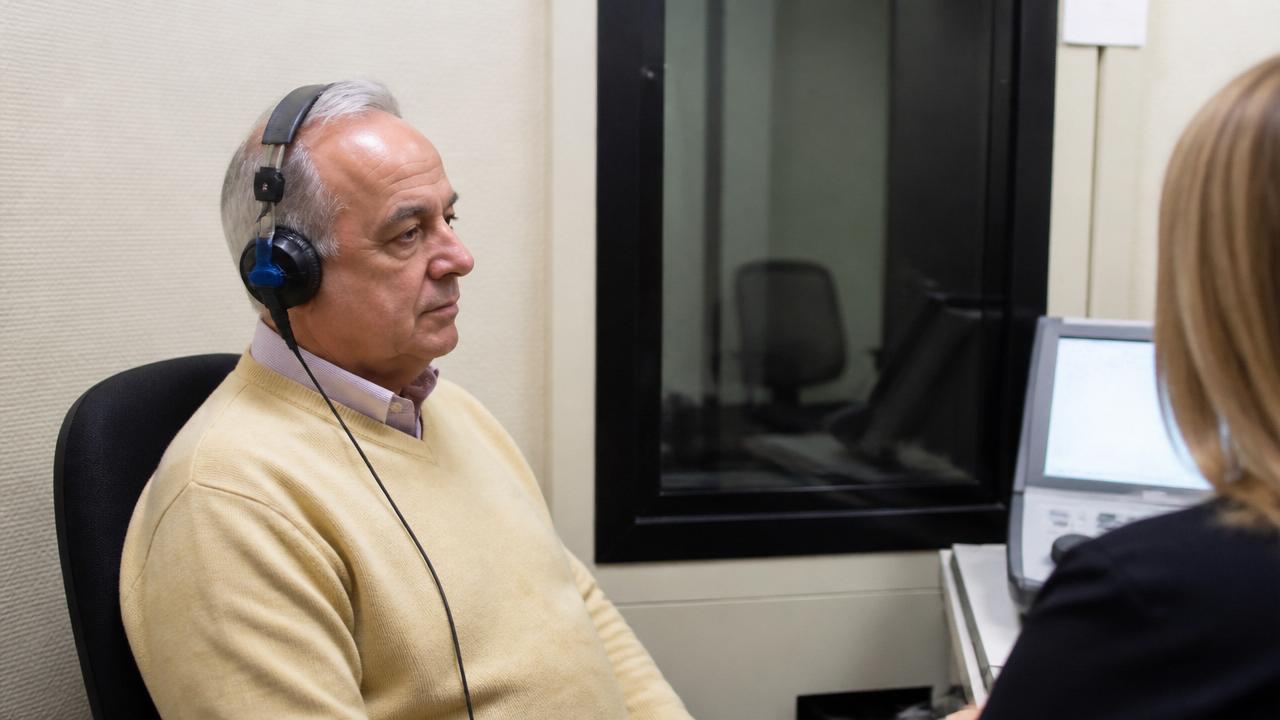
Noise-Induced Hearing Loss: What Veterans Need to Know
Noise-induced hearing loss is one of the most prevalent health conditions among UK veterans. It develops gradually and is often not taken seriously until it begins to affect everyday life. Understanding what it is, how it develops and what you can do about it is important for anyone who has served.

Military Hearing Loss and Tinnitus: Your Right to Claim
If you have left the armed forces and are struggling with your mental health, Op COURAGE is a service designed specifically for you. It is part of the NHS in England and offers free mental health support to veterans, reservists and their families.

How to Access Op COURAGE: Mental Health Support for Veterans
If you have left the armed forces and are struggling with your mental health, Op COURAGE is a service designed specifically for you. It is part of the NHS in England and offers free mental health support to veterans, reservists and their families.
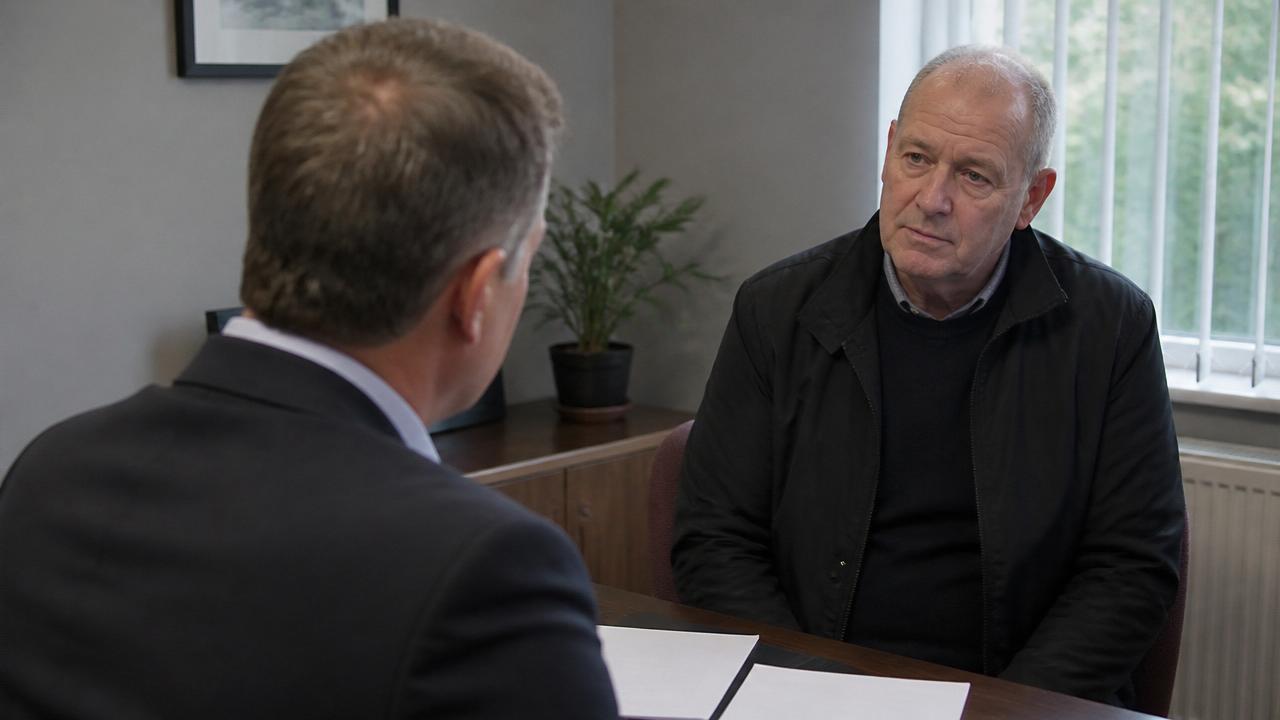
How a No-Win No-Fee Hearing Loss Claim Works
If you are considering making a claim for hearing loss or tinnitus caused by your military service, you may have come across the term no-win no-fee. Understanding what this means in practice can help you decide whether to proceed with confidence. What Is a No-Win No-Fee Agreement?

Help to Buy for Veterans: What You Need to Know
Buying a home after leaving the forces can feel like a significant step, particularly if you have spent years in service accommodation. There are government schemes designed to help first-time buyers get onto the property ladder, and some of these have specific arrangements for veterans. Here is what you need to know.
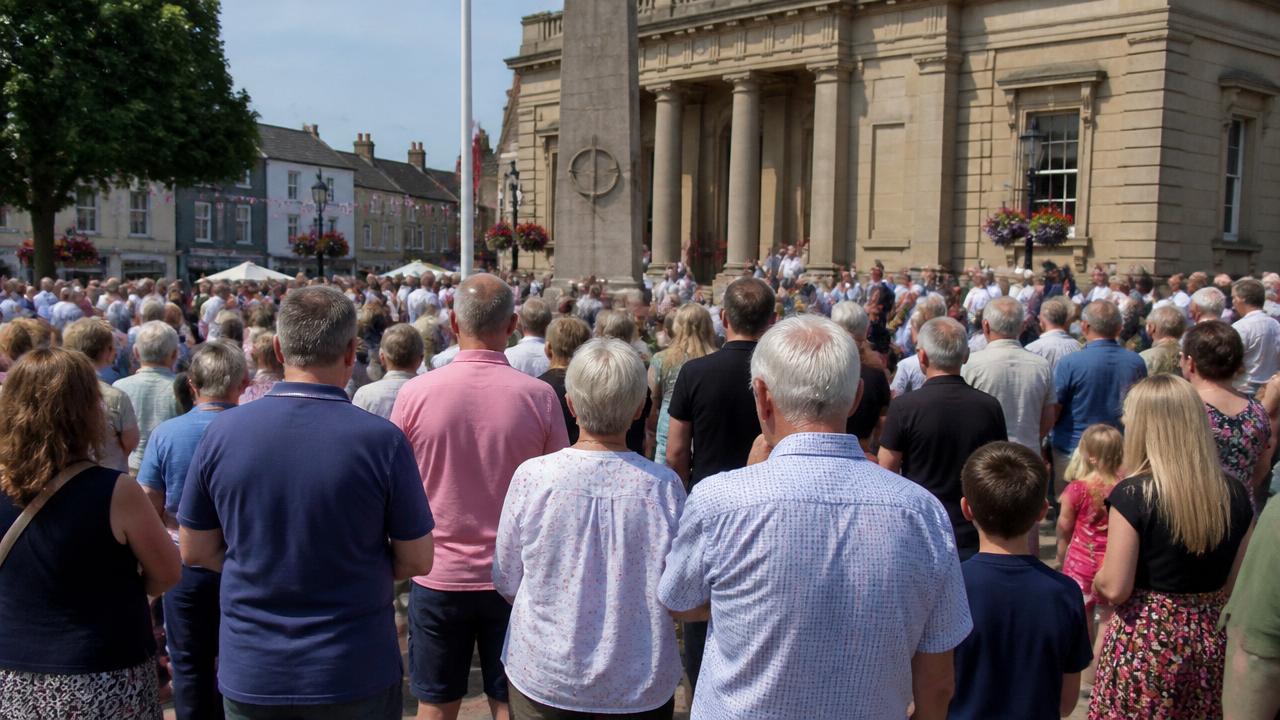
Armed Forces Day: How to Get Involved and Why It Matters
Armed Forces Day takes place every year in June and is one of the key national occasions for recognising the contribution of the armed forces community.

Veterans Behind Bars, Not Beyond Help, Veterans in the Prison System
Behind Bars, Not Beyond Help When people picture the veteran community, veterans in prison rarely feature in the image. Yet they are there, in significant numbers, and they are among the least visible and least supported members of a community that already faces substantial…
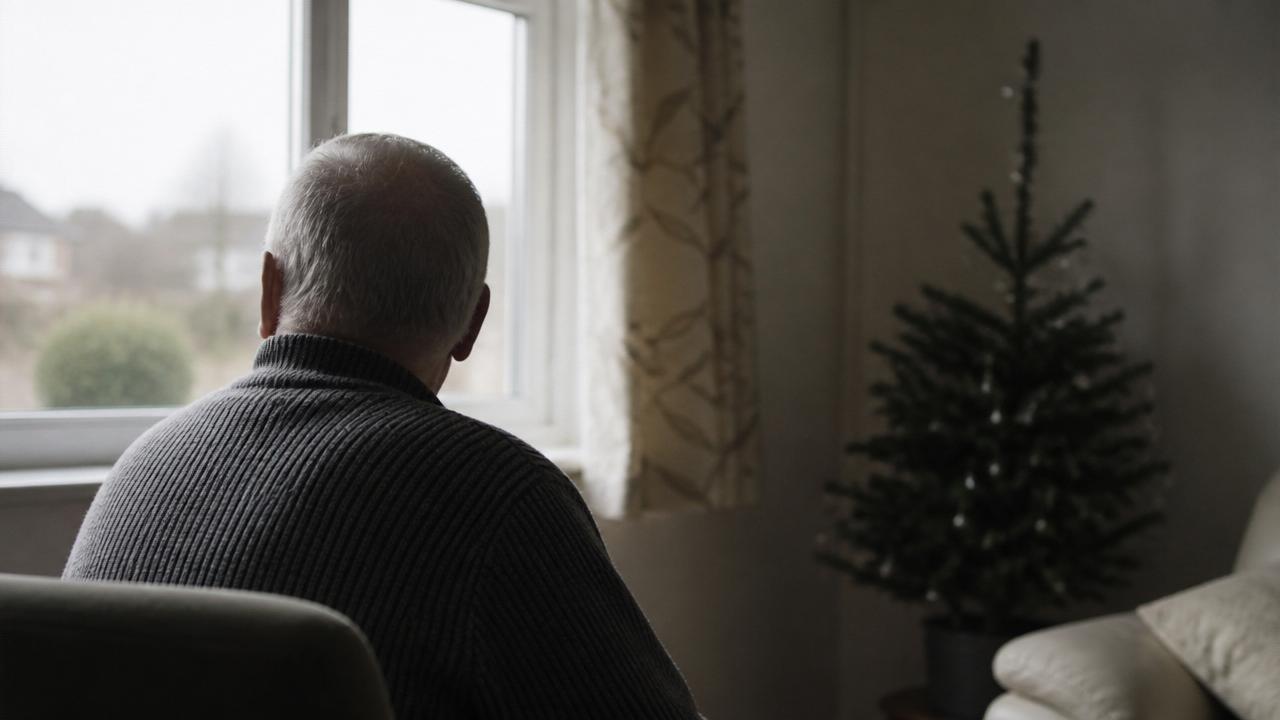
When Christmas Feels Difficult, Practical Tips for Veterans
Christmas is presented everywhere as a time of warmth, celebration and easy togetherness. For many people, some version of that is broadly true.
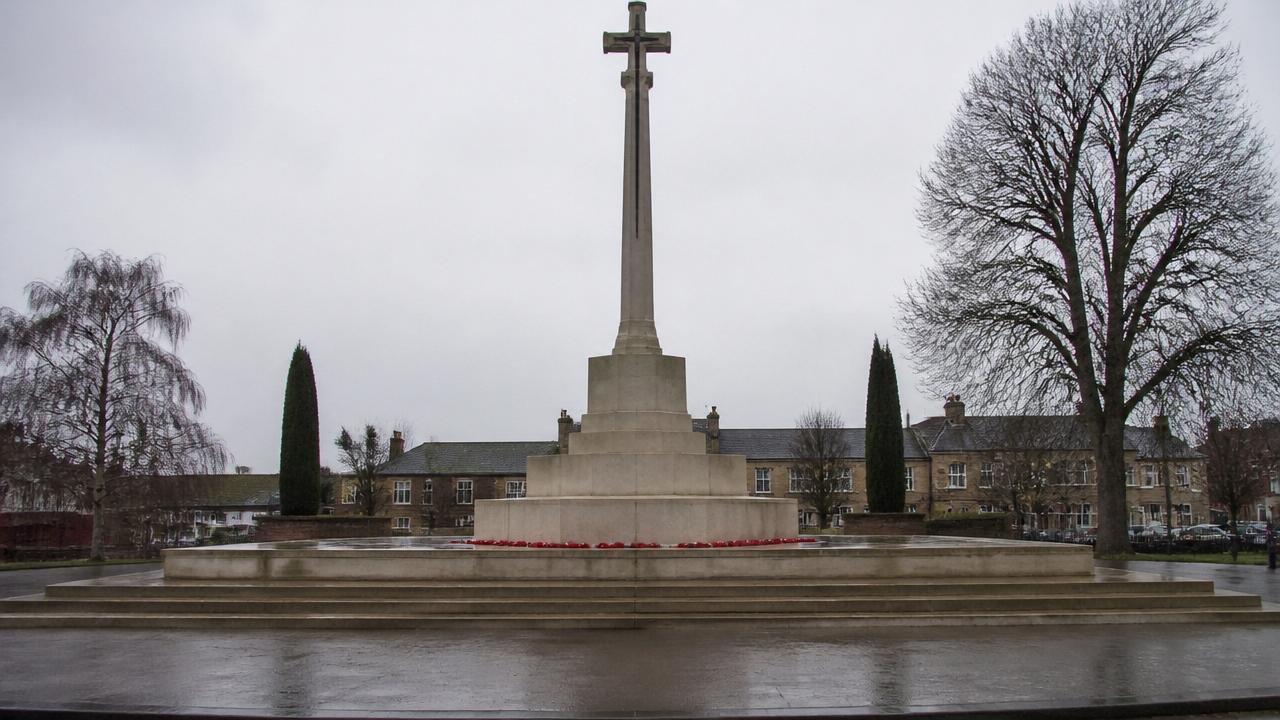
Remembrance Beyond November, Supporting Veterans All Year Round
Remembrance Beyond November, Why Veterans Need Support All Year November is the most visible month for the veteran community in British public life.
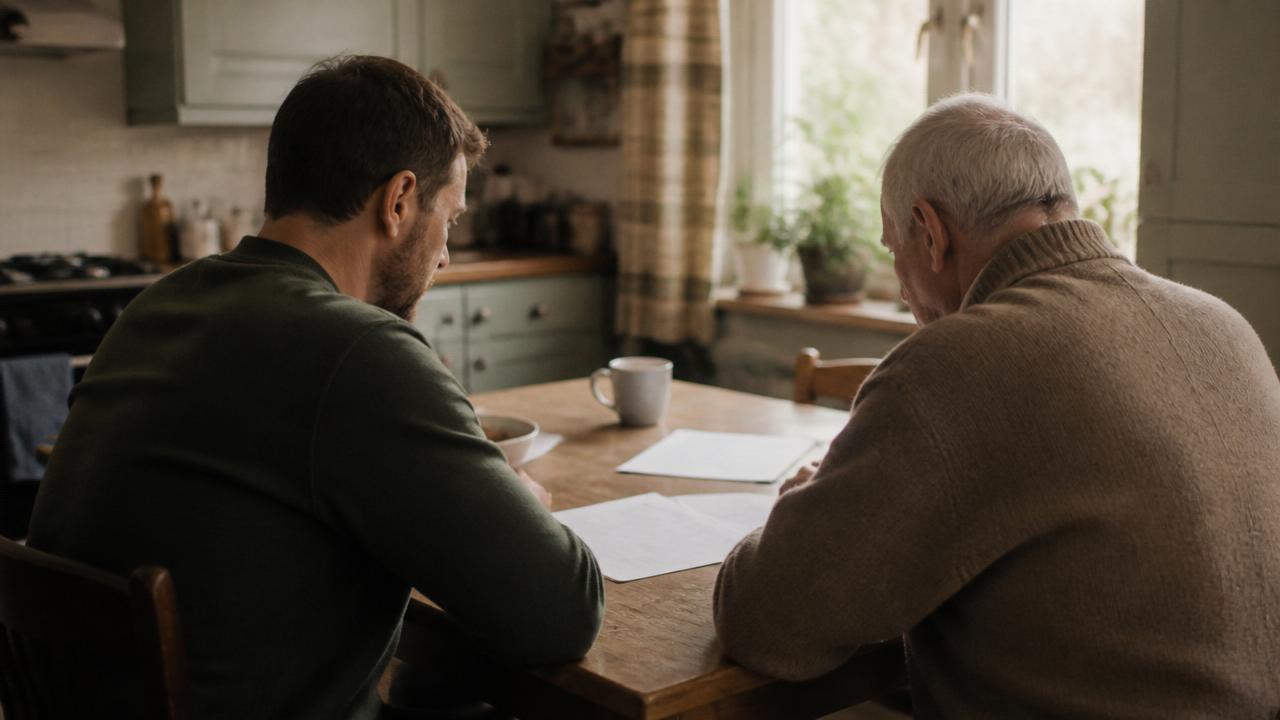
Helping a Veteran Make a Claim, A Guide for Families and Carers
Not every veteran is well positioned to navigate the claims process on their own. Age, health, unfamiliarity with online systems, the reluctance that military culture instils around asking for anything, and simple uncertainty about where to start can all create barriers that…
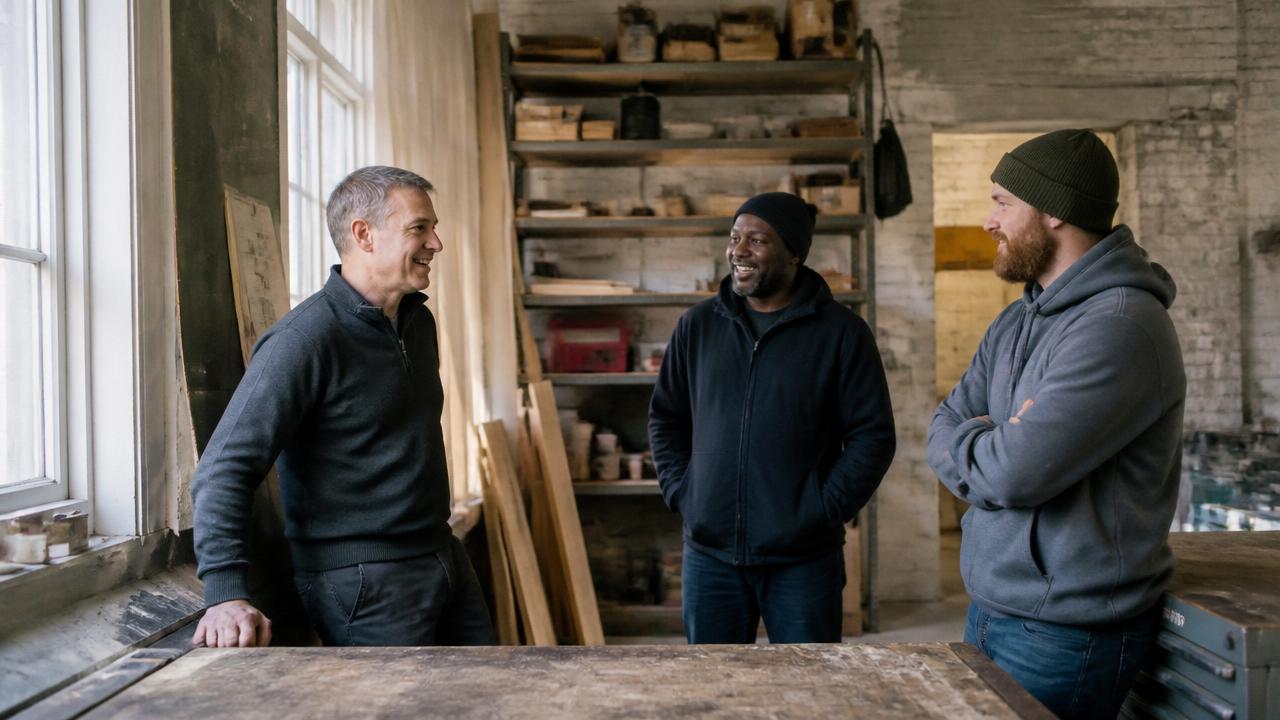
Stronger Together, Real-Life Veteran Community Success Stories
When service ends, the desire to contribute rarely does. Veterans across the UK are using the experience, leadership, resilience and sense of purpose developed during military service to build organisations, programmes and community spaces that make a genuine difference to people around them.
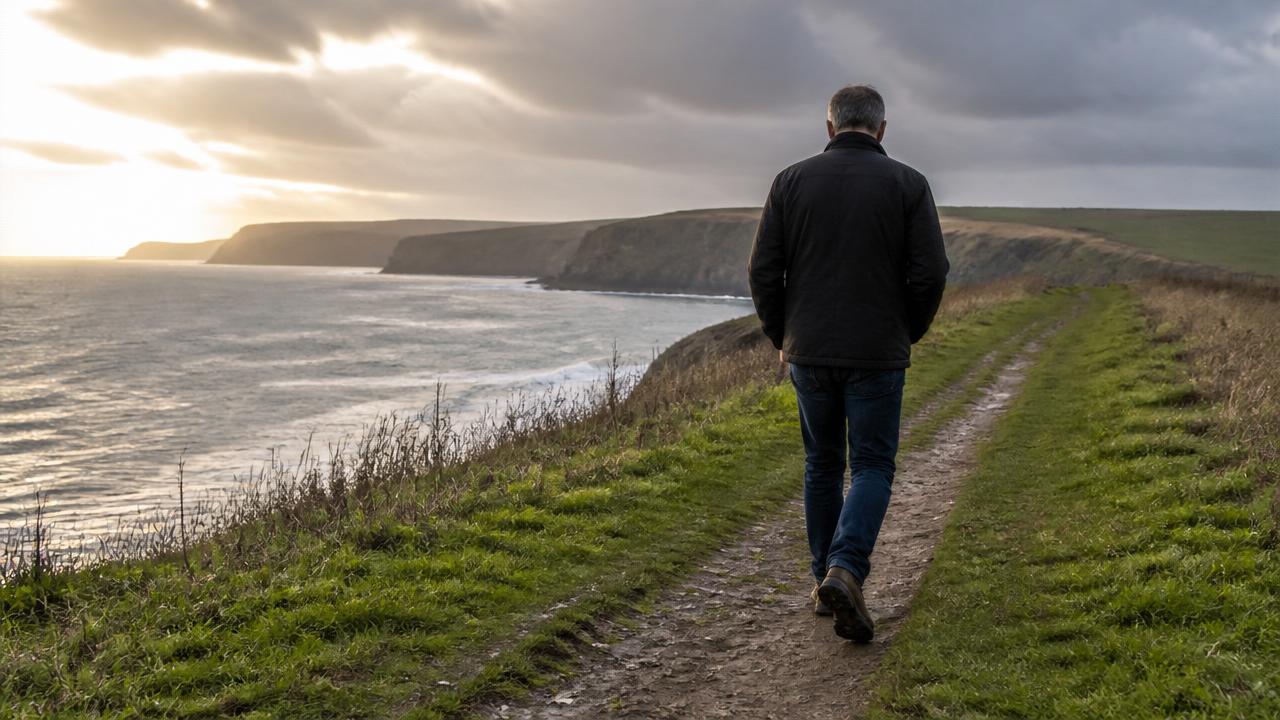
Rebuilding After the Battle, Why Veterans Deserve a Second Victory
The transition from military to civilian life is often described in terms of its practical challenges: employment, transferable skills, navigating benefits, adjusting to a different pace of working. All of those things are real and significant.

Why Veterans Struggle to Sleep, and What Is Actually Worth Trying
Sleep problems are among the most consistently reported difficulties following military service, and among the least openly addressed. They cut across rank, regiment and length of service. They appear in veterans who saw sustained combat and in those who did not.
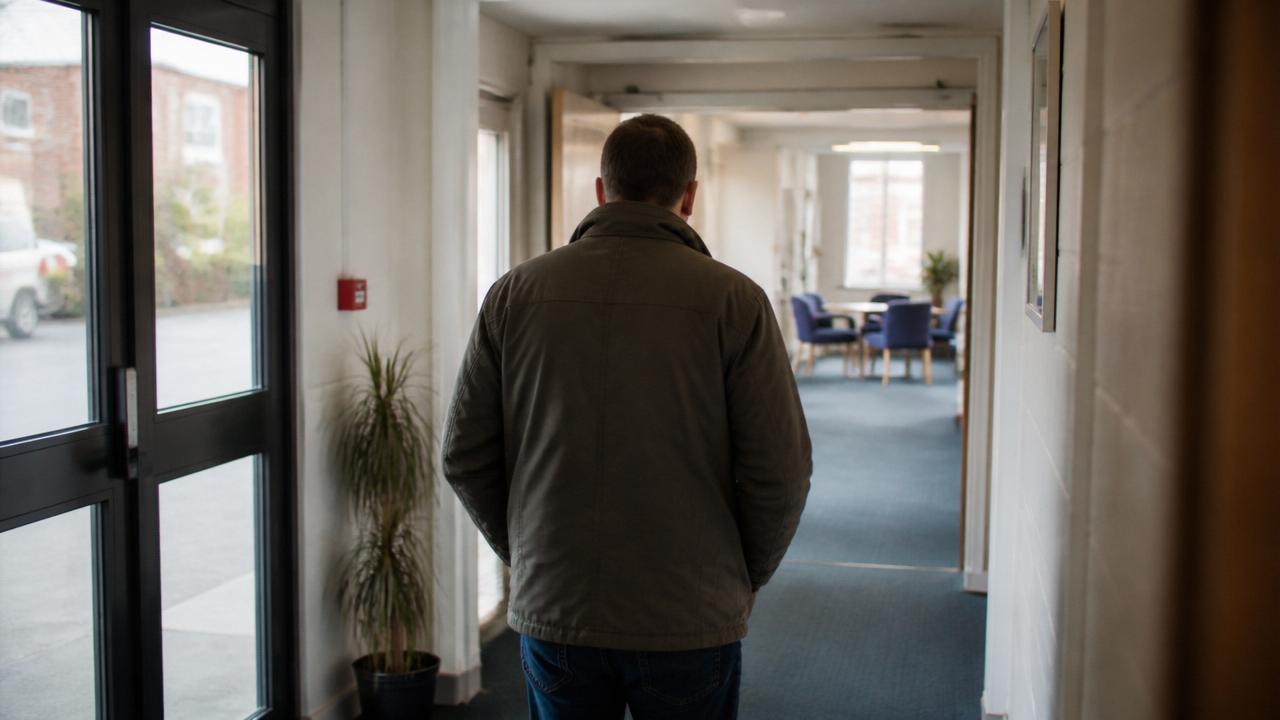
Veterans and Confidence, Rebuilding Strength After Service
Military service gives people a very particular kind of confidence. It is not primarily about individual ego or self-promotion.

Stars in Service, British Film Legends Who Wore the Uniform Before the Camera
The qualities that make a compelling screen presence, calmness under pressure, quiet confidence, resilience and authenticity, are not easily taught in a drama school. For some of Britain’s most enduring film stars, those qualities were shaped long before they stepped onto a film set.
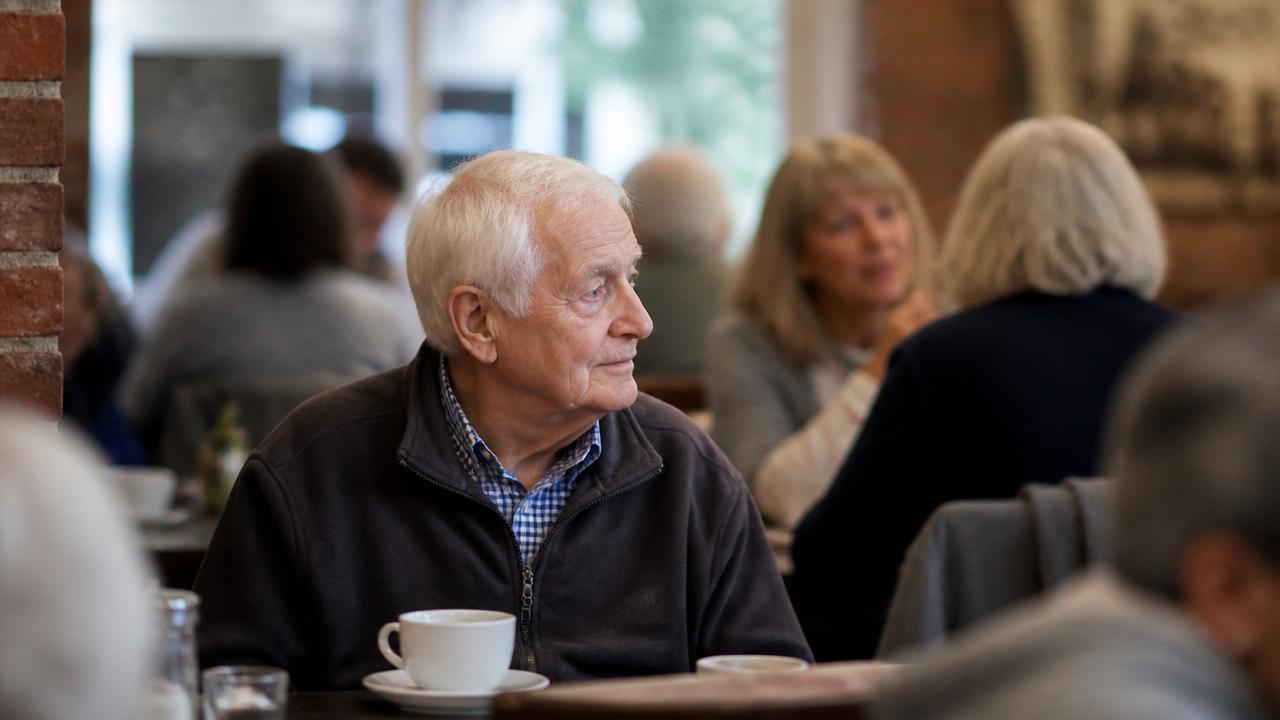
Signs of Hearing Loss Veterans Might Be Ignoring
There is a particular version of pride that military service instils, and it is worth distinguishing clearly from arrogance. It is not self-promotion or self-importance.
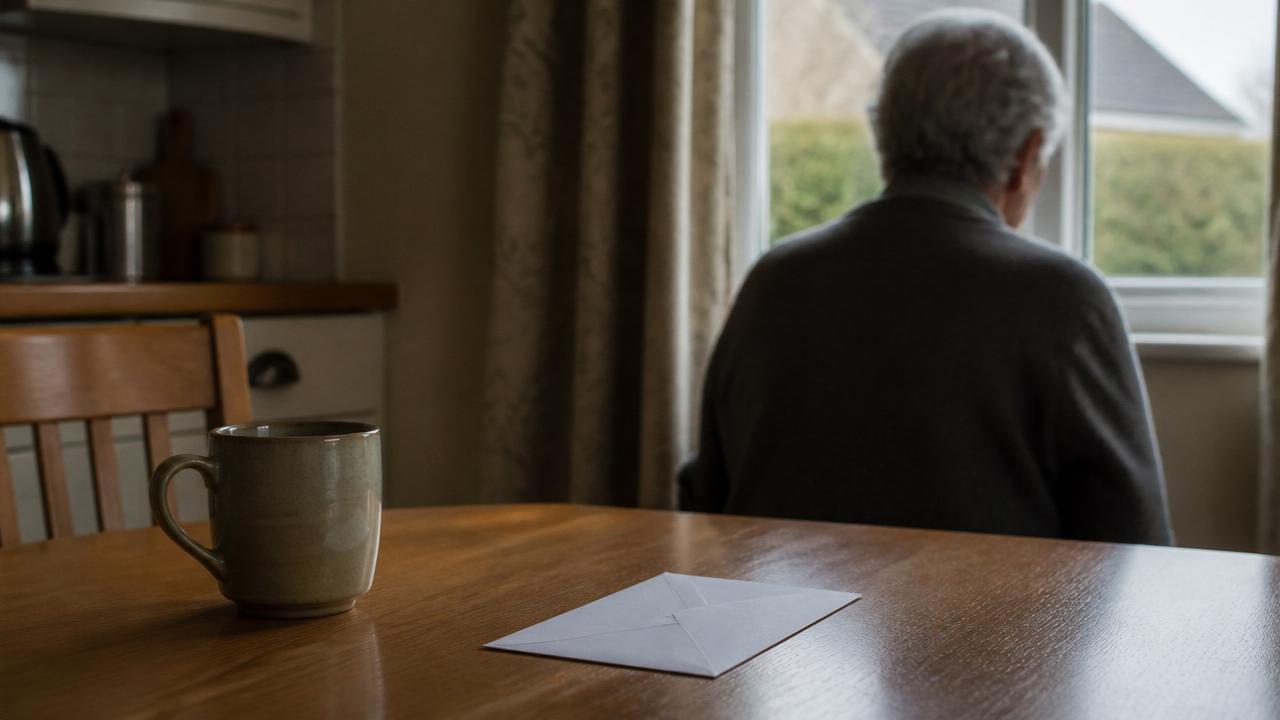
Too Proud to Claim, Why Seeking Support Is Not Weakness
There is a particular version of pride that military service instils, and it is worth distinguishing clearly from arrogance. It is not self-promotion or self-importance.

The Mental Health Impact of Financial Harm on Veterans
The emotional consequences of financial harm in the veteran community are significantly under-acknowledged. When a veteran has been mis-sold a pension, lost savings through fraudulent investment advice, or discovered that financial decisions made in good faith during transition…
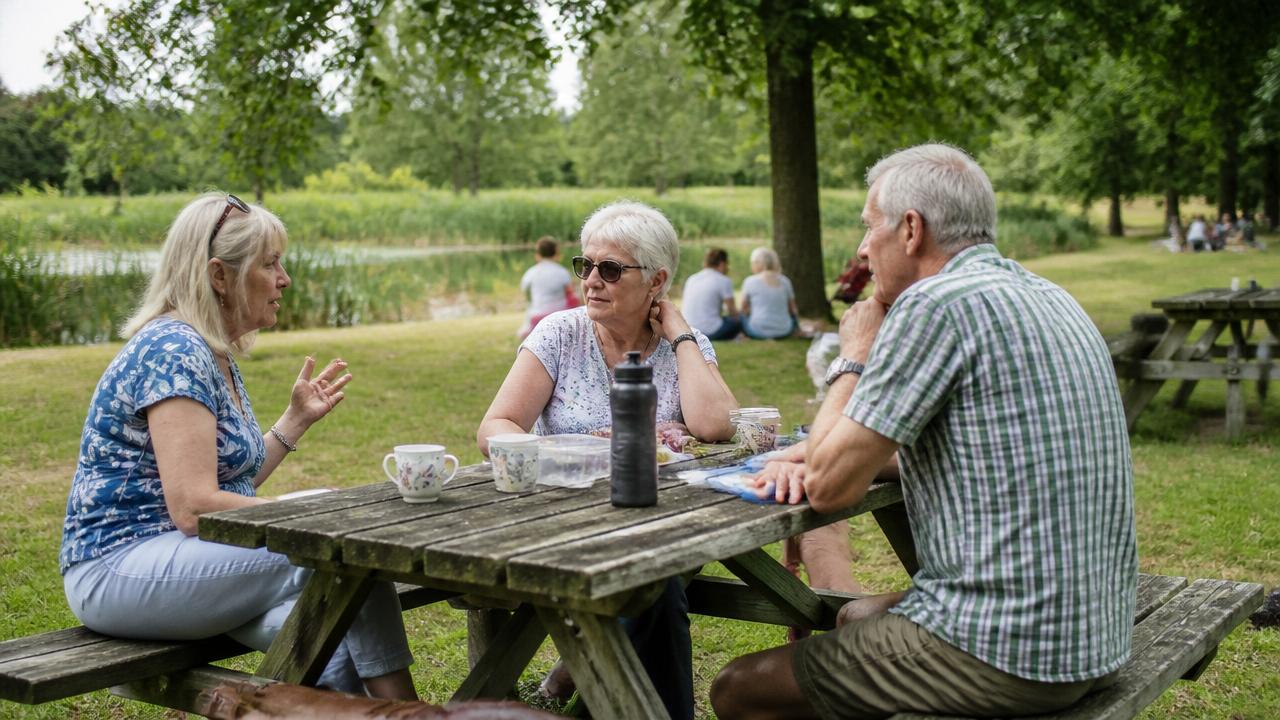
Sunshine and Solidarity, Making the Most of Summer in the Veteran Community
The warmer months bring something that winter makes genuinely difficult: the opportunity to get outside without significant effort, to reconnect with people in less pressured settings, and to find new activities and communities that feel more natural when the weather is not working against you.

Stronger in Mind and Body, Reclaiming Fitness and Mental Strength After Service
Military service builds a particular relationship with the body. Fitness is not recreational in the way it is for most civilians. It is functional, professional and assessed.
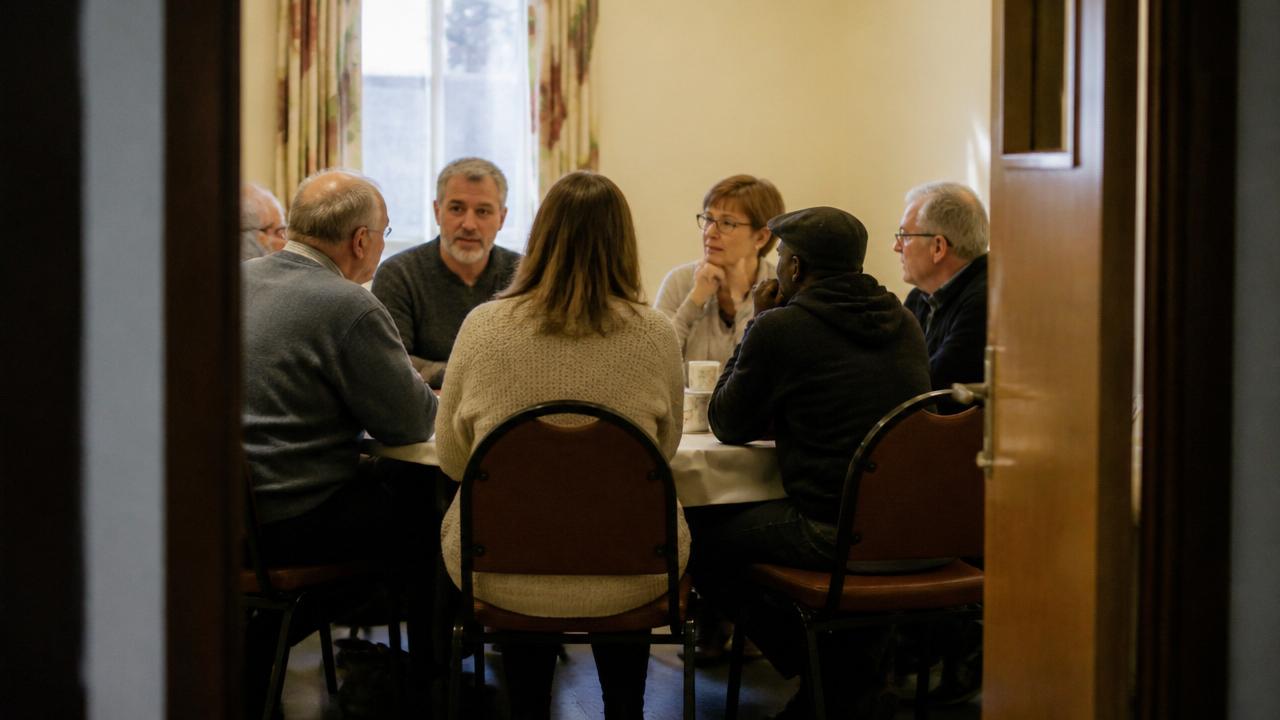
Strength in Connection, Why Veteran Community Matters More Than Ever
Comradeship does not end when service ends. Anyone who has served understands that the bonds formed in the military, built from shared experience, mutual reliance and the particular intensity of operating together under demanding conditions, are not easily replicated in civilian…
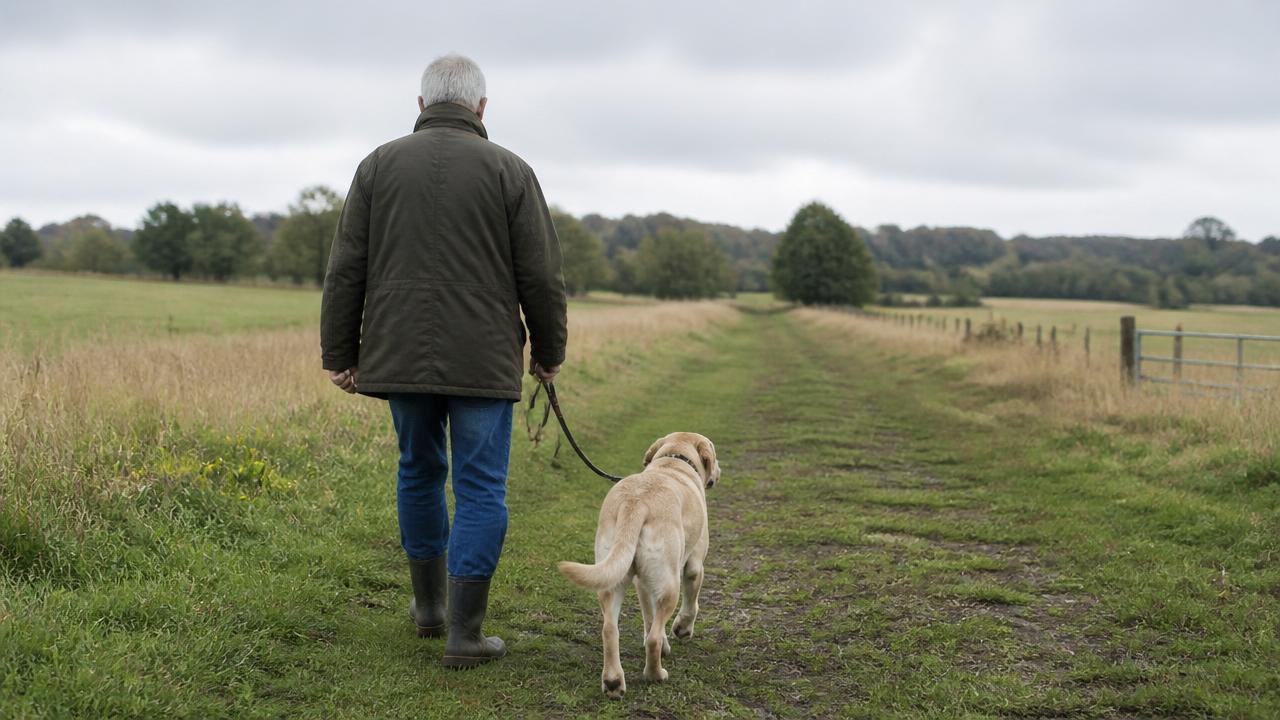
More Than a Pet, Why Veterans and Dogs Work So Well Together
There is a particular kind of quiet that comes with having a dog. Not silence, but a sense of routine and companionship. A dog needs feeding. It needs walking. It is present without asking complicated questions or expecting you to explain how you feel.
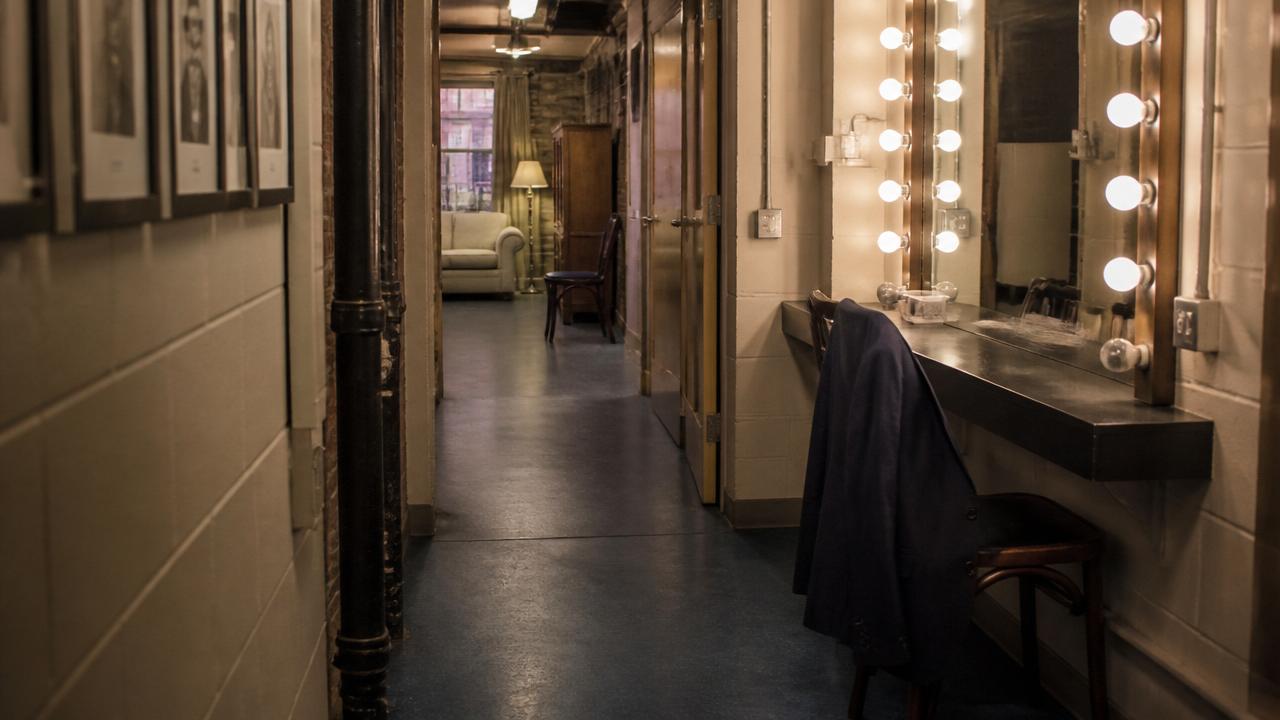
From Boots to Big Screens, Famous UK Veterans You Might Not Know About
Military service shapes people in ways that civilian life rarely does with the same intensity. The discipline, the particular quality of composure under pressure, the ability to function in demanding conditions without losing effectiveness: these things tend to stick.

Coping with Cold Weather as a Veteran
Winter brings shorter days, sharper air and, for many veterans, challenges that go beyond the usual seasonal inconvenience.
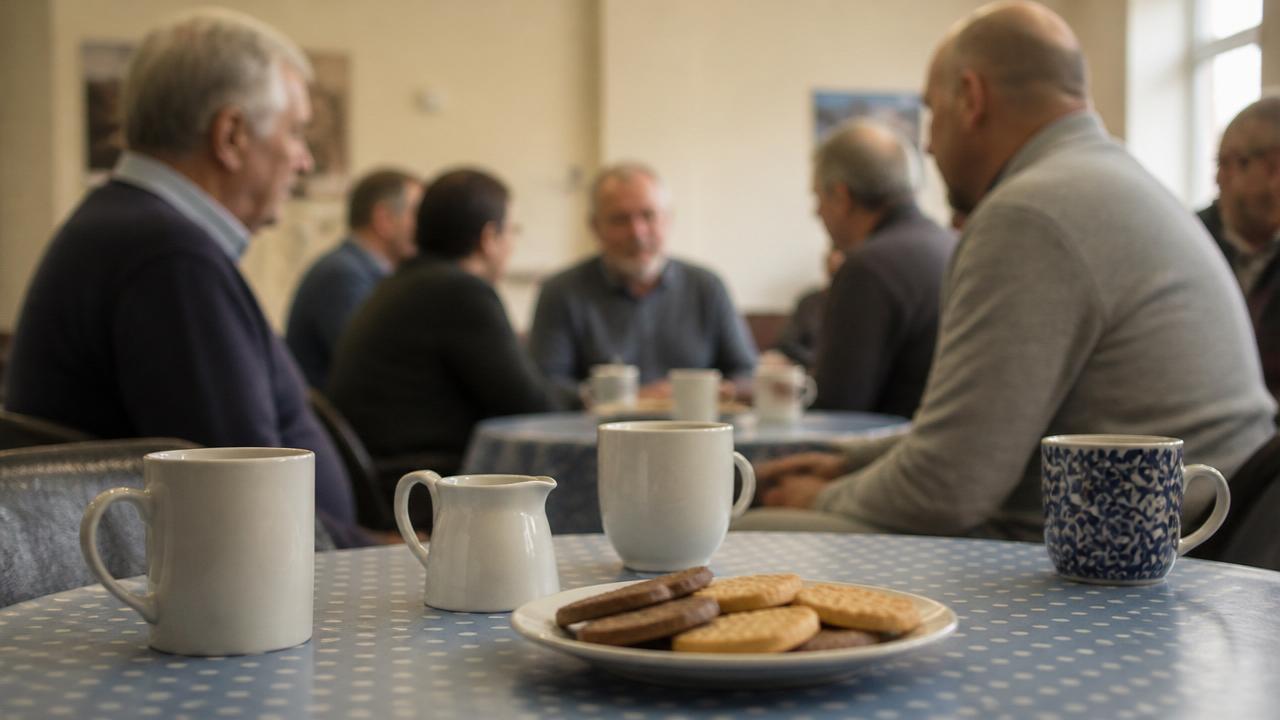
Coffee, Conversation and Community, How Veterans’ Groups Actually Work
There is a particular kind of conversation that happens in veterans’ groups that does not happen anywhere else. It is not therapy, not a briefing and not a service delivery interaction.

Christmases of Old, How Veterans Remember the Festive Season
For many veterans, Christmas carries a second set of memories alongside whatever the civilian version of the season currently looks like.

Christmas Island Veterans, A Quiet Chapter of Sacrifice and Strength
Some chapters of military history are familiar. Others are carried quietly by the people who lived them, shared in small circles and understood most clearly by those who were present.
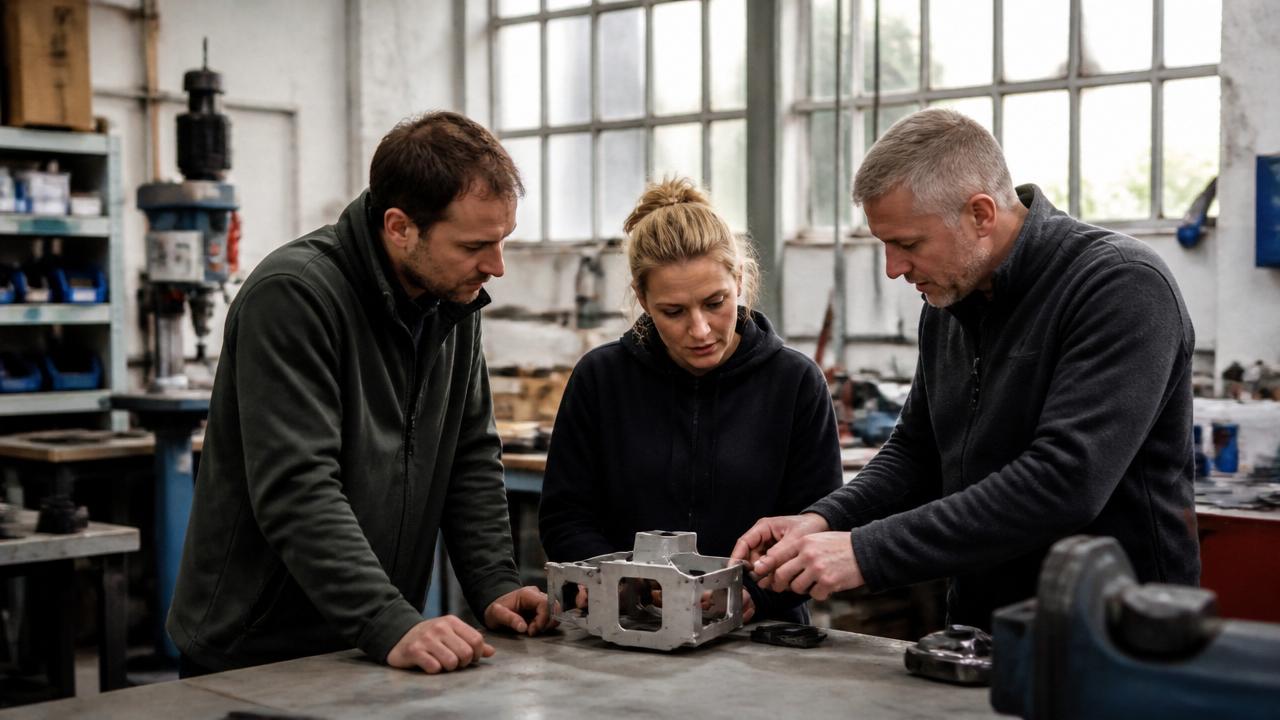
Built to Lead, How Veteran-Led Businesses Are Shaping the Future
The transition from military to civilian life is often described in terms of adjustment and challenge. For a growing number of veterans across the UK, it has also been the starting point for something genuinely significant.

Bonfire Night and Veterans, Understanding Noise Sensitivity
Bonfire Night is a well-established part of the British calendar. Communities gather, fireworks light up the sky, and for the majority of people it is a straightforward occasion of colour and spectacle.
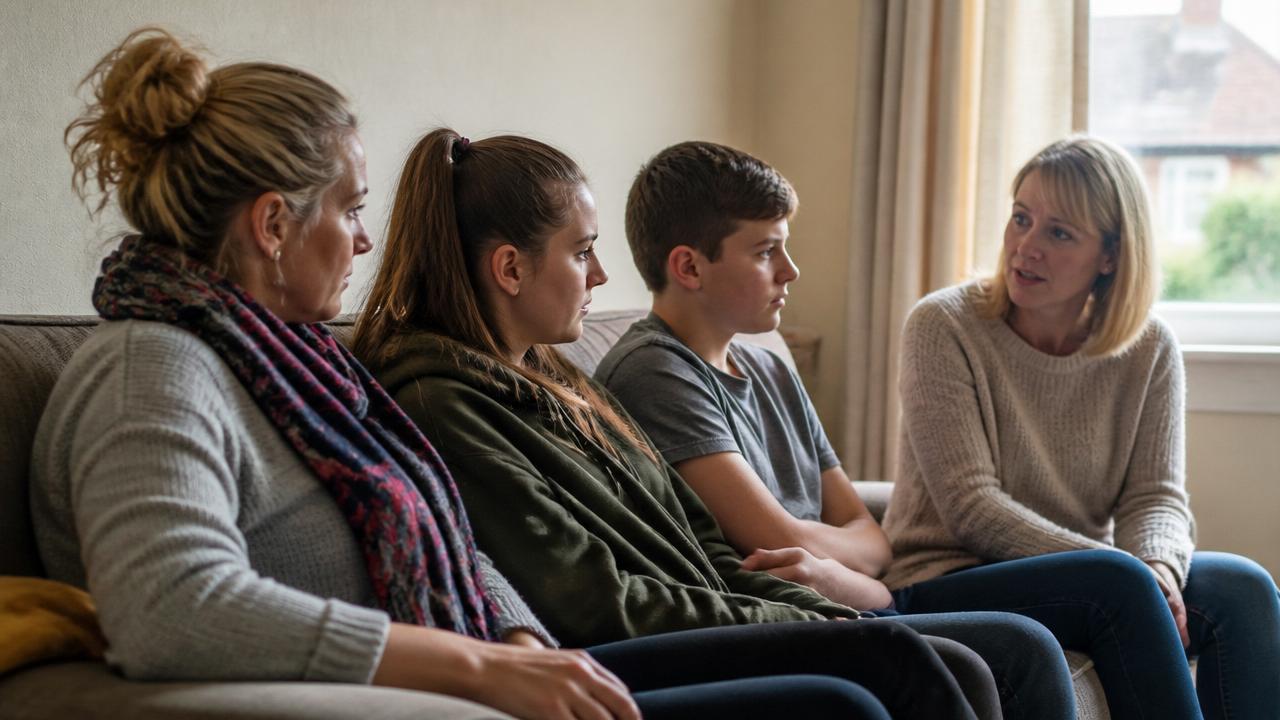
Behind Every Veteran, Supporting the Families Who Serve Too
When someone serves in the Armed Forces, their family serves alongside them. Not in uniform and not in the same way, but in the deployments waited out, the phone calls that did not come when expected, the moves between postings that disrupted schools and friendships and careers…

A Positive Start to the New Year, A Guide for Veterans
January arrives with a particular quality. The pace of December fades, the house settles, and there is briefly a sense of space before the year gets going.
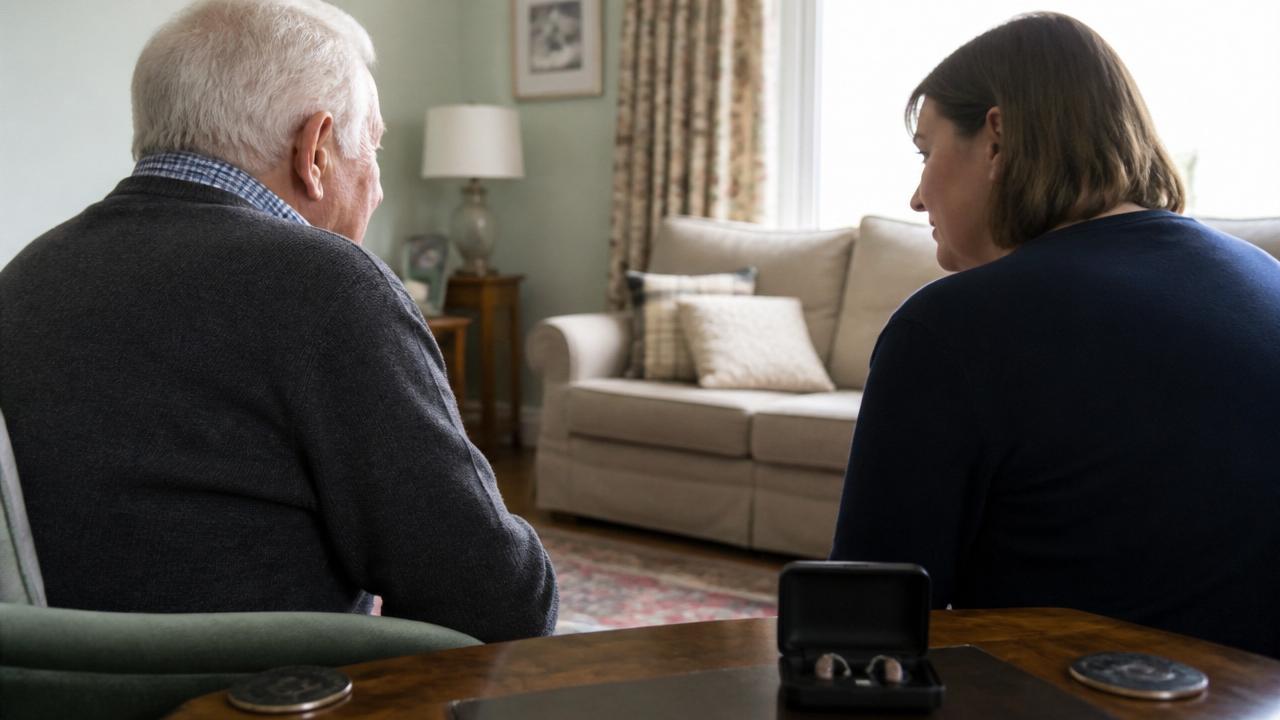
A Family Guide to Supporting a Veteran with Hearing Loss
Families often notice the signs before the veteran does, or before the veteran is ready to acknowledge them. The television that has gradually increased in volume to a level that others in the room find uncomfortable.
5 Myths That Stop Veterans Claiming Support, And Why They’re Wrong
The gap between what veterans are entitled to and what veterans actually receive is significant, consistent, and not primarily explained by the complexity of the entitlement system. A substantial part of it is driven by beliefs about eligibility, timing and process that turn out, on examination, not to be accurate.