Coping with Cold Weather as a Veteran
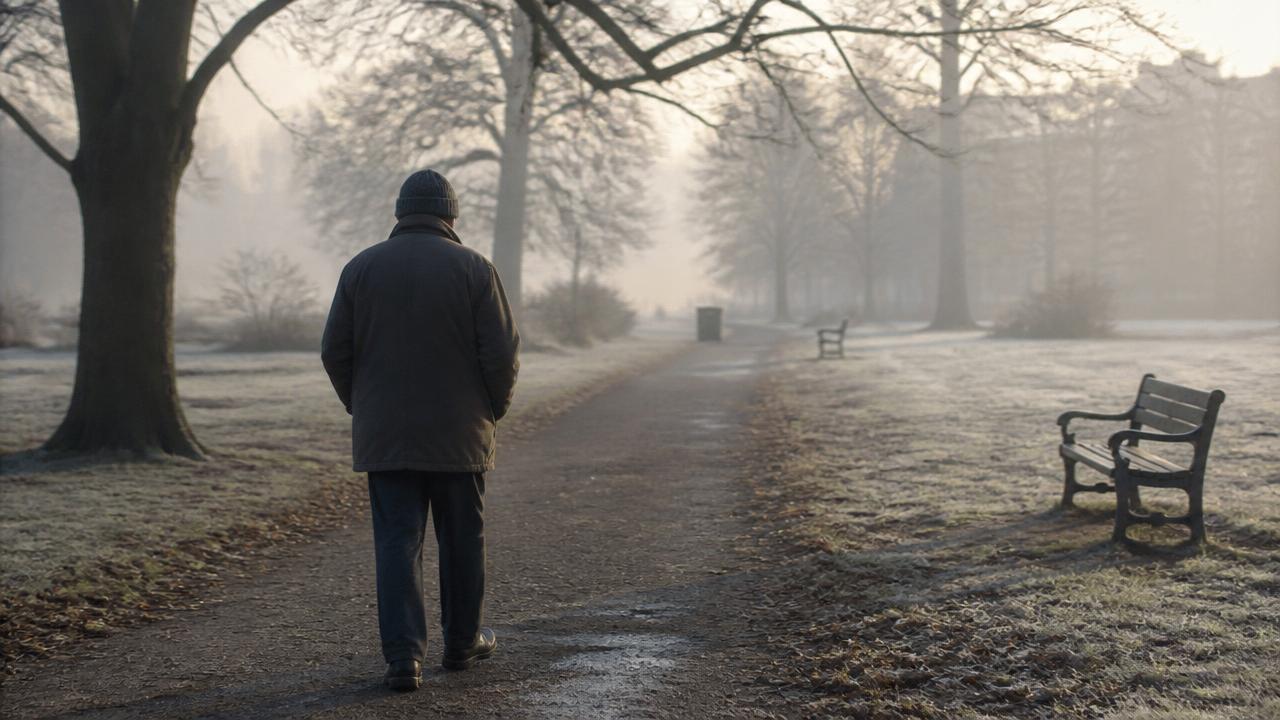
Winter brings shorter days, sharper air and, for many veterans, challenges that go beyond the usual seasonal inconvenience. Years of service involved sustained exposure to extreme outdoor conditions, heavy loads carried in the cold, and physical demands that accumulated over time in ways that leave lasting marks on the body. When temperatures drop, some of those effects resurface. Joints that were manageable through summer stiffen noticeably. Old injuries that had settled down make their presence felt again. Energy levels take a dip that can feel disproportionate to the weather itself.
None of this signals that something has gone wrong. It is a very common consequence of what service asked of the body over many years of hard use. Being aware of how winter specifically affects you makes it considerably easier to plan around those effects rather than simply enduring them from one cold spell to the next.
Understanding how winter affects the veteran body
The physical toll of military service is not always visible and not always immediately apparent after leaving. Years of carrying weight, repetitive physical training, occupational noise exposure, and the cumulative effect of minor injuries that were managed around rather than fully rehabilitated all contribute to a body that responds differently to environmental stress than one that has not been through service.
Cold specifically affects circulation, which matters for veterans with nerve damage, extremity injuries, or service-related conditions affecting blood flow. It lowers pain thresholds, meaning that conditions that are manageable in warmer weather can become significantly more uncomfortable as temperatures fall. It also slows reaction times slightly, which is worth noting for anyone whose balance, mobility or joint stability is affected by service injuries.
Energy levels dip in winter across the population, but the combination of reduced daylight, less time outdoors, and the physical effort the body expends maintaining warmth can be particularly pronounced for veterans whose energy management is already complex. That fatigue affects mood and motivation, which in turn affects the inclination to stay in contact with other people, which can compound into a more significant problem over a long winter if it is not noticed and deliberately addressed.
Practical warmth without overcomplication
The basics tend to be the most effective. Layering lighter clothing rather than relying on one heavy item keeps you warmer and gives you flexibility across the range of temperatures you move through in a day. Warm socks and slippers kept accessible at home remove a small friction that has a larger effect than it might seem when motivation is already lower than usual. Warming a room before settling in for a period, and keeping doors closed between rooms you are not using, maintains temperature without running heating constantly.
For veterans whose cold affects joint pain or old injuries specifically, warmth applied directly to affected areas through heat pads, electric blankets, or warm baths can make a real difference to pain levels and mobility. This is not indulgence. It is practical pain management.
If heating costs are a concern, it is worth knowing what support is available. The Warm Home Discount Scheme provides an annual credit for eligible households. Many energy suppliers have hardship funds and support schemes beyond the statutory minimum. Citizens Advice can help you establish your full entitlement without requiring you to navigate the system yourself.
Getting outside safely
Cold weather is not a reason to stop going outside. Sustained outdoor activity, even at modest levels, supports mood regulation, maintains physical function, and provides the daylight exposure that helps keep the circadian rhythm calibrated through the darker months. The goal is managing risk rather than eliminating movement.
⬤ Footwear with adequate grip suited to wet and cold conditions is worth investing in if you do not already have it
⬤ Take your time on any surface that might be icy or slippery rather than moving at your normal pace
⬤ Keep hands free where possible, particularly near steps or slopes where a grab rail might be needed
⬤ Use handrails consistently when available rather than as a last resort
⬤ If you are going somewhere unfamiliar in poor weather conditions, let someone know where you are going and when to expect you back
Veterans managing chronic pain, balance difficulties, reduced sensation in extremities, or service-related conditions that affect mobility are at higher risk of falls in icy conditions than the general population. If this applies to you, asking your GP about a referral to a falls prevention service is reasonable and appropriate. Many areas offer free home assessments and practical guidance on footwear, safe movement and simple modifications that reduce risk without limiting independence.
Connection through the darker months
Cold weather makes isolation feel more natural and more justifiable than it actually is. It takes more effort to leave the house, social occasions require more planning, and the general quiet of winter evenings can become heavy when spent largely alone. Veterans who found the social structure of service genuinely sustaining often feel the absence of that structure most sharply in winter.
Deliberate, low-effort connection tends to work better than waiting for an occasion significant enough to justify making the effort. A message to someone you served with. A phone call to a family member you have not spoken to recently. Attending a veteran breakfast club or community drop-in that is already running in your area. These do not require significant organisation or social performance, and they tend to leave you feeling better rather than more depleted.
Veterans’ Gateway (0808 802 1212) can help you find what is available near you if you are not currently connected to a local group. Many veteran organisations and hubs stay active through winter specifically because their organisers understand that this is the time of year when contact is most needed and least likely to be sought without a nudge.
Winter and hearing
Indoor social events in winter can make hearing difficulties significantly more noticeable than they are at other times of year. Closed windows, multiple conversations at once, hard surfaces that amplify background noise: all of these compound hearing difficulties in ways that can make gatherings feel tiring and isolating even among people whose company you value.
If you are noticing that winter social events have become harder to follow and more effortful than they used to be, that is worth paying attention to. Hearing difficulties linked to noise exposure during service are common and frequently go unaddressed for years. A GP appointment, during which you mention that you served and describe the noise environments you worked in, is the right starting point. Under the Armed Forces Covenant, veterans are entitled to priority NHS treatment for conditions related to their service. A referral to NHS audiology is a reasonable and appropriate request.
If the assessment suggests your hearing loss is noise-induced and linked to service, compensation through a civil claim may be possible. Justice4Heroes handles these at no upfront cost. The first call (0800 776 5622) is free and establishes whether your circumstances fit the criteria without committing you to anything further.
📚 Free guides and resources: heroeshub.uk.com
📞 Hearing loss claims, Justice4Heroes: 0800 776 5622
🌐 heroeshub.uk.com