Why Veterans Struggle to Sleep, and What Is Actually Worth Trying
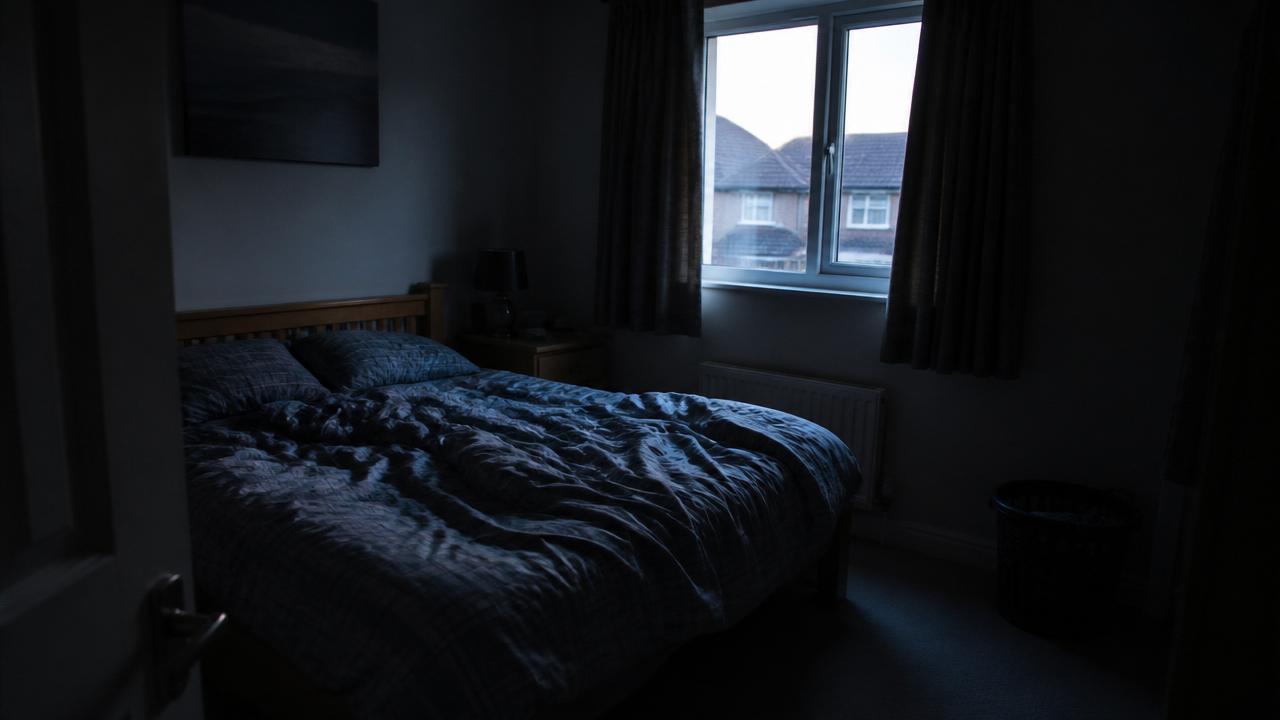
Sleep problems are among the most consistently reported difficulties following military service, and among the least openly addressed. They cut across rank, regiment and length of service. They appear in veterans who saw sustained combat and in those who did not. They persist, in some cases for decades, in ways that affect concentration, emotional regulation, physical health and the ability to function in daily life in ways that go well beyond feeling tired.
Yet sleep is not always the first thing addressed in veteran wellbeing conversations, partly because it seems less acute than mental health or physical injury, and partly because many veterans have accommodated their sleep difficulties for so long that chronic sleep deprivation has become their baseline normal. Understanding what is causing the problem is the first step toward addressing it properly.
What service does to the sleeping nervous system
Military service, particularly operational service in environments involving genuine threat, trains the nervous system to remain vigilant. The capacity to move from deep sleep to full functional readiness in seconds, to sleep lightly and remain responsive to environmental changes, and to maintain alertness through irregular patterns of duty and rest: all of these are adaptations that the nervous system makes over time in response to the demands of service.
These adaptations serve completely legitimate and important purposes in their original context. The difficulty is that they do not automatically reverse when that context changes. A nervous system trained over years to remain half-alert does not simply stand down at the point of discharge. The hypervigilance that was an appropriate and functional response to genuine operational threat continues to operate in a domestic environment where it is no longer necessary, because the nervous system was not given a formal signal that the situation had changed.
For many veterans, this means sleeping lightly, waking frequently and being unable to return to sleep easily, remaining sensitised to environmental sounds and movement during the night, and waking earlier than intended in a state of alertness rather than genuine rest. These are not symptoms of weakness or malfunction. They are the body continuing to do what years of service trained it to do, in a context where that training is no longer required.
The hearing and tinnitus dimension
Tinnitus, the persistent ringing, buzzing, hissing or whistling in the ears that many veterans experience as a result of noise exposure during service, is significantly associated with sleep disruption in ways that deserve more attention than they typically receive. In quiet environments, and particularly at night, tinnitus becomes more perceptually prominent. With no competing external sound to redirect attention, the internal sound occupies the available space, making sleep onset harder and disrupted sleep more likely.
Veterans who manage tinnitus reasonably well during the day, because daytime environments provide sufficient competing sound, often find nights considerably harder. Sound enrichment, providing a low-level background sound rather than silence, is one of the most consistently effective interventions for this. A fan, a white noise machine or a specifically designed tinnitus sound therapy app can reduce the perceived prominence of tinnitus enough to allow sleep onset without requiring clinical intervention. It does not work for everyone, but it is simple, inexpensive and worth trying before more complex approaches.
What the evidence actually supports
Cognitive Behavioural Therapy for Insomnia, known as CBT-I, is the most robustly evidenced non-medication treatment for chronic sleep difficulties. It is not the same as general CBT. It focuses specifically on the thoughts and behaviours that maintain insomnia, and it produces results that are durable rather than dependent on continued use in the way that medication tends to be. CBT-I has been evaluated in veteran populations specifically and shows good results.
CBT-I is available through NHS Talking Therapies on GP referral. Sleepio, a digital CBT-I programme recommended by NHS England, is available free of charge in many areas through the NHS and can be accessed at sleepio.com/nhs. The core techniques, stimulus control (keeping the bed associated with sleep rather than wakefulness), sleep restriction, cognitive restructuring of unhelpful beliefs about sleep, and maintaining consistent wake times, produce reliable improvement over four to six weeks when applied properly.
Stimulus control in particular is worth understanding. The bed should be associated with sleep. Lying awake in bed for long periods, watching television in bed, and using the bedroom for activity other than sleep weakens this association and maintains wakefulness at the time the environment should be cuing sleep. Getting up when you cannot sleep and returning only when genuinely sleepy, rather than lying awake waiting for sleep to arrive, is counterintuitive but consistently effective.
For trauma-related nightmares specifically
Standard insomnia treatment is not designed to address trauma-related nightmares, which are a distinct clinical target requiring a different approach. Image Rehearsal Therapy, which involves identifying a recurrent nightmare, writing an alternative version with a different outcome, and rehearsing the alternative during waking hours until it begins to replace the trauma content of the dream, has the strongest evidence base for this specific presentation. It is available through some Op COURAGE services and through Combat Stress, and it can be discussed with a GP as a starting point for referral.
What is probably not worth the main effort
Standard sleep hygiene advice, the guidance about dark rooms, regular schedules and no screens before bed, has modest effects on established chronic insomnia. It is not harmful and provides a useful foundation, but it tends to be presented as though it were a solution when it is better understood as a baseline condition. Over-the-counter sleep aids provide short-term relief without addressing the underlying problem. Alcohol assists sleep onset but significantly fragments sleep architecture, reducing restorative deep sleep and increasing early waking, making the underlying problem worse over sustained use.
If sleep difficulties are significantly affecting daily life, the GP is the right starting point for referral to appropriate support. Op COURAGE (nhs.uk/opcourage) can be self-referred if sleep difficulty is part of a broader mental health picture. Combat Stress (0800 138 1619) provides 24-hour specialist veteran mental health support.
📚 Free guides: heroeshub.uk.com
📞 Hearing loss claims, Justice4Heroes: 0800 776 5622
🌐 heroeshub.uk.com