
Helping a Veteran Make a Claim, A Guide for Families and Carers
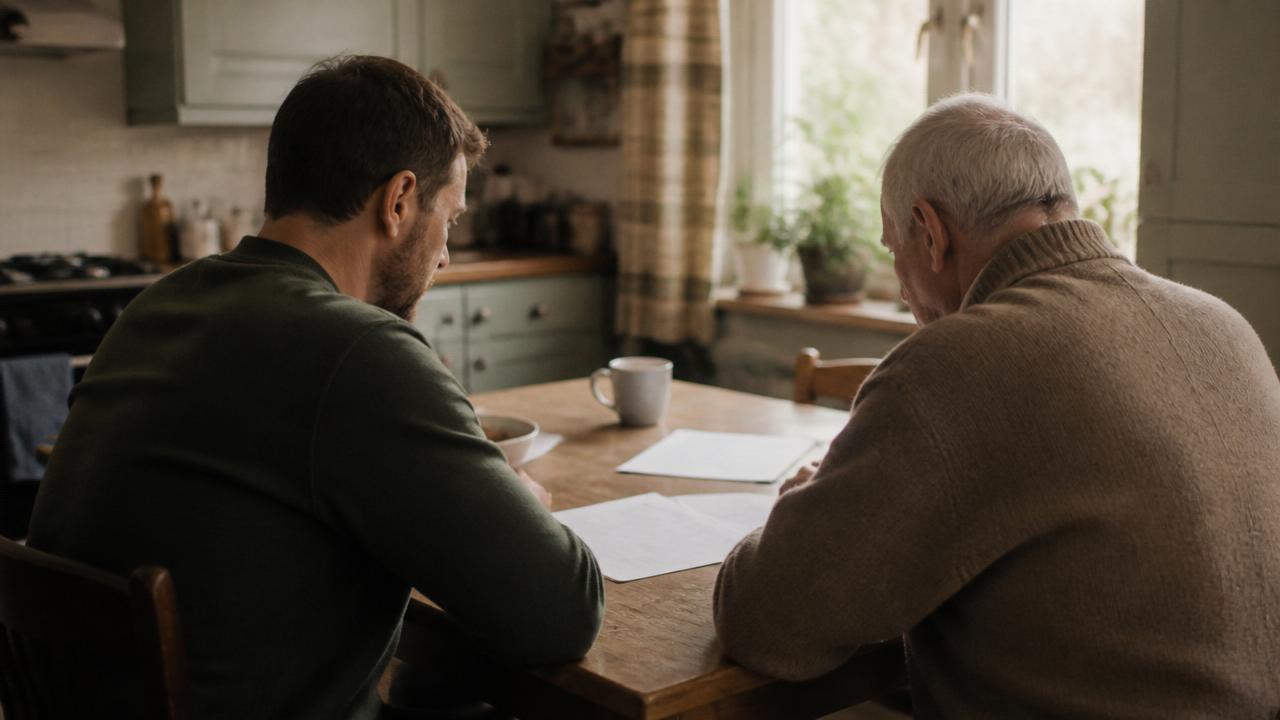
Not every veteran is well positioned to navigate the claims process on their own. Age, health, unfamiliarity with online systems, the reluctance that military culture instils around asking for anything, and simple uncertainty about where to start can all create barriers that family members, partners and carers can genuinely help to lower, without overriding the veteran’s autonomy or creating the kind of pressure that tends to be counterproductive.
This guide is for the people around veterans. The partners, adult children, siblings, carers and friends who can see that a hearing loss claim might be worth exploring and who want to help with that process in a way that actually works.
The most important principle first
A veteran’s willingness to explore a claim must come from them. However confident you are that they are entitled to something, however clearly you can see the hearing difficulties they have been quietly managing for years, proceeding without genuine agreement from the veteran undermines the process and can damage trust in ways that make future conversations considerably harder.
The goal of everything you do as a supporter is to give the veteran the information and reassurance they need to make the decision themselves, at their own pace. Not to make it for them, and not to advocate so persistently that the question becomes a source of conflict. The decision to pursue a claim needs to feel like their decision in order for it to be sustained through what is sometimes a months-long process.
Introducing the subject without pressure
Many veterans are more receptive to information that arrives without explicit pressure or agenda. Leaving a relevant Heroes Hub guide where it can be found, mentioning in passing that you read something about hearing loss claims being available to veterans, or sharing a brief article that you genuinely came across rather than presenting a formal case for why they should act, can all introduce the information more gently than a direct approach.
The direct approach, sitting down and explaining that you think they should make a claim and here is why, often activates the resistance that military culture built around asking for things, even when the logical case is entirely clear. A more indirect introduction tends to allow the veteran to arrive at the information as though it were new to them, which is easier to receive than information delivered as a recommendation.
If the first attempt to introduce the subject does not result in a conversation, do not force it. Leave it for a few weeks and find a different natural moment to return to it. Consistency over time tends to be more effective than a single persuasive effort.
What families can practically help with
Once the veteran has agreed to explore a claim, there is a range of practical help that is genuinely useful and does not require any specialist knowledge:
- Making the initial call to Justice4Heroes.org (0800 776 5622) on the veteran’s behalf, with their permission, to gather information about what the process involves before the veteran has to commit to a conversation themselves
- Helping locate relevant documents if they exist, including discharge papers, service records, previous medical records, or any existing hearing test results
- Accompanying the veteran to an audiologist appointment and helping them describe clearly the noise environments they worked in during service, which can be easier to articulate with support
- Taking notes during phone or video consultations with claims advisers so that the veteran does not have to hold all the information themselves
- Managing correspondence if paperwork and administrative tasks feel overwhelming, which they do for many veterans who are also managing health conditions
When the veteran is elderly or has additional health needs
For veterans who are elderly, who have other health conditions affecting their cognitive capacity, or who are in care settings, supporting a claim requires more active involvement. Justice4Heroes can speak with family members acting on a veteran’s behalf with appropriate permission and consent in place.
Looking after yourself while supporting a veteran
Supporting a veteran through a claims process, particularly one who is also managing health difficulties or the emotional complexity of revisiting their service history, can be demanding. The Ripple Pond (theripplepond.org, 0333 900 1028) provides peer support specifically for family members of veterans with physical or psychological conditions linked to service, and does not require the veteran to have a formal diagnosis to access it.
You are doing something genuinely important. Having support for yourself as well as for the veteran you are supporting tends to make the process more sustainable for both of you.
📚 Free guides: heroeshub.uk.com
📞 Hearing loss claims, Justice4Heroes: 0800 776 5622
🌐 heroeshub.uk.com