
More Than a Pet, Why Veterans and Dogs Work So Well Together
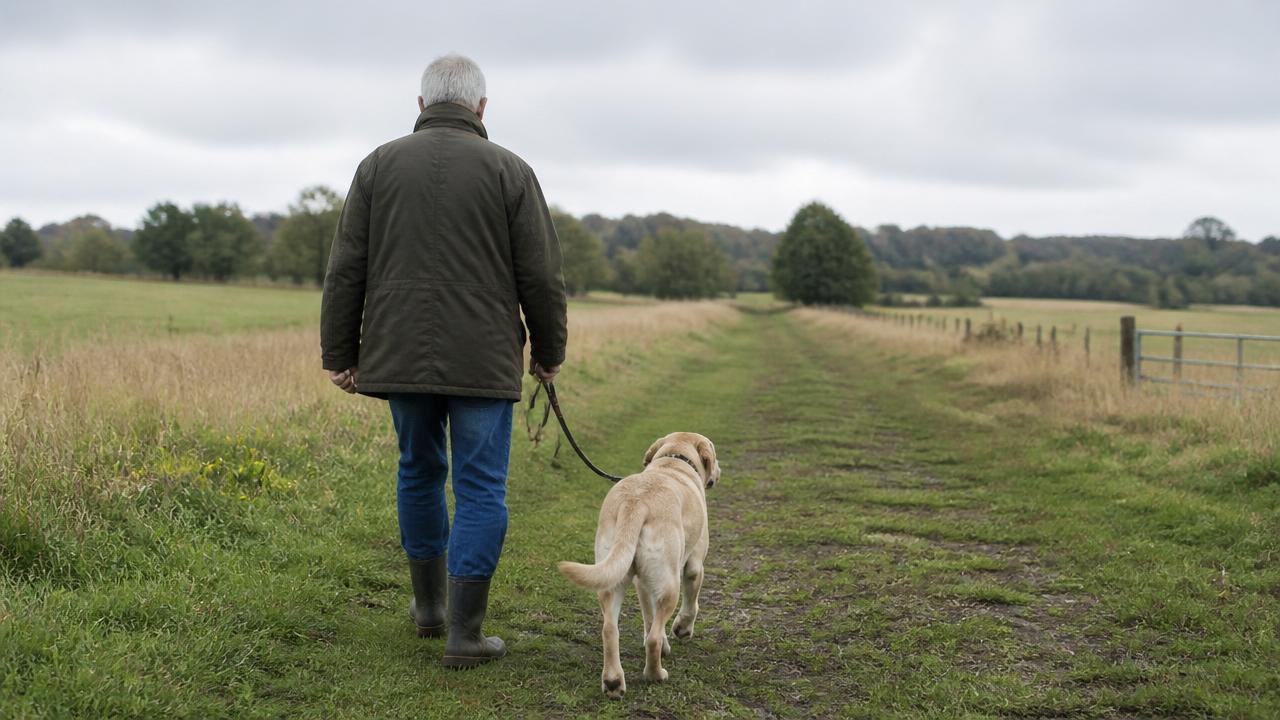
There is a particular kind of quiet that comes with having a dog. Not silence, but a sense of routine and companionship. A dog needs feeding. It needs walking. It is present without asking complicated questions or expecting you to explain how you feel. For many veterans adjusting to life after service, that simple, dependable companionship can make a meaningful difference.
Over the past decade, growing research has explored the relationship between veterans and dogs. What many veterans and their families have long understood through personal experience is now supported by increasing evidence. For some veterans, a dog can contribute positively to mental wellbeing, daily routine, social connection and overall quality of life.
What dogs can provide
One of the greatest benefits of living with a dog is the structure it naturally creates. Dogs rely on routine. They need feeding, exercise and care regardless of how their owner is feeling that day.
Many veterans describe missing the clear routines that military life provided. Dog ownership can help reintroduce a regular daily rhythm, encouraging people to get outside, remain active and maintain a sense of purpose even during more difficult periods.
Dogs can also make social interaction feel easier. A walk with a dog often creates opportunities for casual conversations with neighbours or other dog owners without the pressure of formal social situations. For veterans experiencing loneliness or isolation, these small daily interactions can gradually help rebuild confidence.
Research carried out by Bravehound, the Scottish charity that pairs assistance dogs with veterans, has reported improvements in wellbeing, reduced feelings of isolation and increased confidence among many veterans taking part in its programmes. While every person’s experience is different, these positive outcomes are reflected in many veterans’ own accounts.
Assistance dogs and PTSD
Alongside companion dogs, there is growing evidence supporting the use of specially trained assistance dogs for veterans living with Post-Traumatic Stress Disorder (PTSD).
Unlike family pets or emotional support animals, assistance dogs receive specialist training to perform specific tasks. Depending on the individual veteran’s needs, they may wake someone experiencing nightmares, interrupt anxiety or panic episodes through physical contact, create space in crowded environments or provide grounding during periods of heightened stress.
A 2021 study published in PLOS ONE, involving military veterans in the United States living with PTSD, found that veterans partnered with trained psychiatric service dogs reported lower PTSD symptom severity, improved sleep, reduced depression and better overall quality of life compared with veterans waiting to receive a dog. Although the research involved US veterans, its findings have contributed to growing international interest in the role assistance dogs can play alongside established mental health treatments.
Organisations including PTSD Dogs UK and Hounds for Heroes work to provide specially trained assistance dogs for veterans and members of the emergency services. Demand for these programmes remains high, and waiting lists often reflect the significant interest in their services.
Veterans working with dogs
The relationship between veterans and dogs is not one-sided. Many former service personnel have gone on to build successful careers or volunteer roles in dog training, animal welfare and rehabilitation.
Military service often develops qualities such as patience, consistency, observation and calm decision-making under pressure. These same qualities can prove valuable when working with animals, particularly in training environments where trust, routine and clear communication are essential.
Many veterans have found that working with dogs provides not only meaningful employment or volunteering opportunities, but also an ongoing sense of purpose and connection.
When owning a dog is not possible
Not every veteran is in a position to own a dog. Housing restrictions, financial circumstances, health conditions or lifestyle commitments can all make ownership difficult.
Fortunately, the benefits of spending time with animals are not limited to ownership. Some veteran organisations work alongside animal-assisted therapy providers, while community projects, care farms and volunteering opportunities can provide regular contact with animals in supportive environments. Dog-friendly walking groups also offer opportunities to enjoy the outdoors, meet other people and benefit from the calming presence of dogs without owning one yourself.
Veterans’ Gateway (0808 802 1212) can help veterans find organisations and support services that may be suitable for their individual circumstances, including those offering wellbeing activities involving animals where available.
More than companionship
For many veterans, a dog becomes far more than a pet. Whether providing routine, encouragement to get outside, a calming presence during difficult moments or simply quiet companionship at the end of the day, dogs can play an important role in supporting wellbeing.
While they are not a replacement for professional healthcare or specialist mental health treatment, they can become one valuable part of a wider network of support that helps veterans live healthy, connected and fulfilling civilian lives.
📚 Free guides: heroeshub.uk.com
📞 Hearing loss claims, Justice4Heroes: 0800 776 5622
🌐 heroeshub.uk.com