Strength in Connection, Why Veteran Community Matters More Than Ever
Comradeship does not end when service ends. Anyone who has served understands that the bonds formed in the military, built from shared experience, mutual reliance and the particular intensity of operating together under demanding conditions, are not easily replicated in civilian life and do not simply fade because circumstances change.
But maintaining those bonds takes active effort that civilian life does not always make easy. Distance increases as people settle in different parts of the country. Family demands change the availability of time. Health and mobility evolve. The informal social infrastructure of service, the daily proximity, the shared routine, the meals in the same dining facility, the automatic community of people who are all going through the same thing, is not replaced by civilian life. It has to be actively rebuilt, and that requires intention.
Why connection matters beyond personal preference
The evidence linking social connection to health outcomes is substantial, consistent and spans decades of research. Loneliness is associated with elevated cardiovascular risk, accelerated cognitive decline, depression, anxiety and earlier mortality. These are not soft findings. They are robust enough that public health bodies in the UK now treat loneliness as a significant health issue requiring systematic intervention.
For veterans, the specific vulnerability to isolation is real. Military life places people in one of the most socially connected environments that exists. The community is not optional; it is structural. When that structure is removed at the point of discharge, what replaces it is civilian life, which provides none of the same scaffolding automatically and which requires conscious effort to build a comparable sense of belonging.
The particular quality of connection that comes from shared military experience, the sense of being understood without needing to explain yourself, is genuinely difficult to replicate outside the veteran community. Veterans consistently report that the most meaningful social connections they maintain after service are with other veterans, and that civilian relationships, however valuable, do not fully substitute for that specific quality of being known.
In-person groups and what they provide
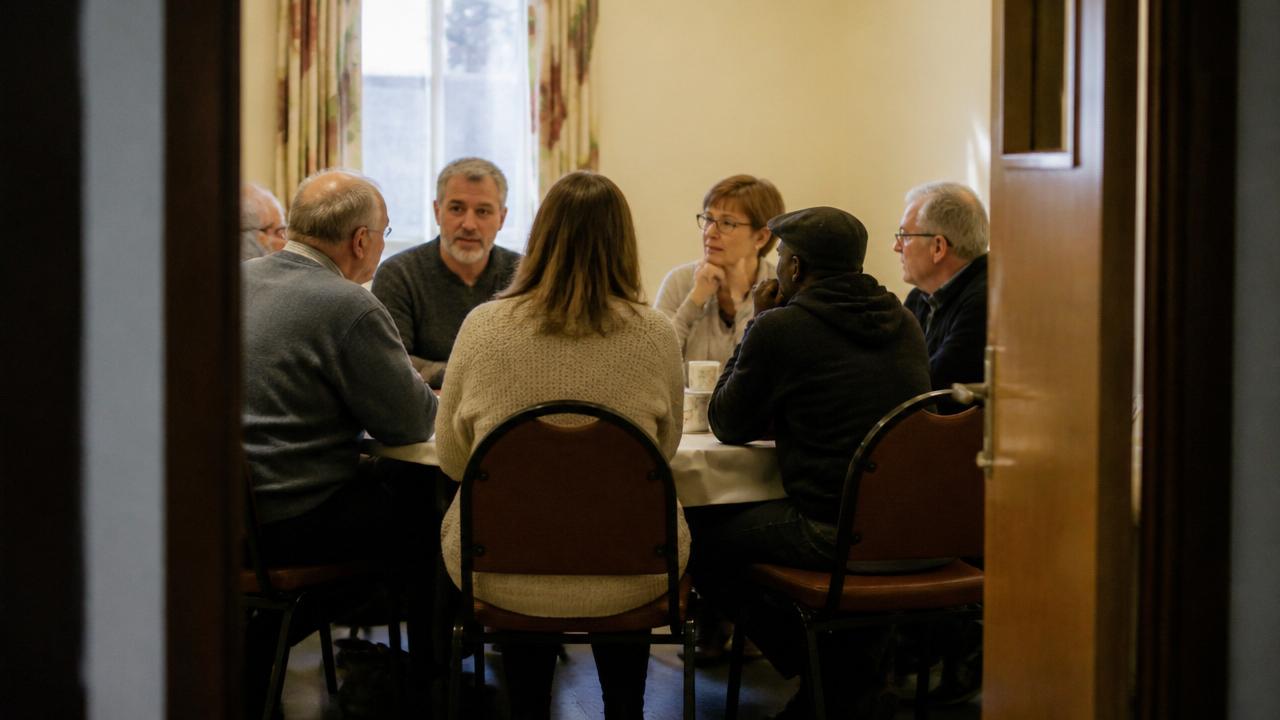
Veterans’ groups in their various forms, breakfast clubs, drop-ins, activity groups, peer support meetings, regimental associations, provide a form of community belonging that research consistently associates with better outcomes. They work not because they are well-organised or formally structured, but because they provide the specific combination of low-pressure environment, shared context and credible peers that makes genuine connection more likely.
Veterans’ Breakfast Clubs now operate in more than 400 locations across the UK and are the most accessible entry point for many veterans who are not currently connected to any group. They require no referral, no commitment and no particular reason for attending. You show up, there is a brew, and other veterans are there. That is the entire requirement.
Digital community as a genuine supplement
In-person contact is not always possible. Distance, health, mobility, caring responsibilities and personal circumstance all create genuine barriers to physical attendance at groups and events. Digital communities designed specifically for veterans have grown significantly and now offer something genuinely useful for people who cannot easily attend in person.
The Old Comrades platform from Royal Hospital Chelsea is one example worth knowing about. It is a digital community specifically for older veterans from across the Army, Royal Navy, RAF and Merchant Navy. Veterans can engage with others who share their background, reconnect with people they served alongside, and have access to Chelsea Pensioners who are active on the platform. For veterans who cannot easily leave home, it provides a form of community belonging that is real rather than performative. It is available at oldcomrades.com and free to join.
Making the first connection
The practical barrier to joining a veterans’ group is almost always lower than it feels in advance. The anticipation tends to be harder than the actual experience of going. First visits to veteran groups are almost universally described by veterans who have made them as having been better, easier and more worthwhile than they expected.
Veterans’ Gateway (0808 802 1212) holds the most comprehensive database of veteran groups and support services across the UK and can help you identify what is available in your specific area. SSAFA, the Royal British Legion, Help for Heroes and Combat Stress all run or signpost to both in-person and digital community options.
If you know a veteran who has become more isolated and who might benefit from any of these options, sharing the information is one of the most practically useful things you can do. Connection rarely finds people who are simply waiting for it. It usually needs a nudge.
📚 Free guides: heroeshub.uk.com
📞 Hearing loss claims, Justice4Heroes: 0800 776 5622
🌐 heroeshub.uk.com