Veterans and Confidence, Rebuilding Strength After Service
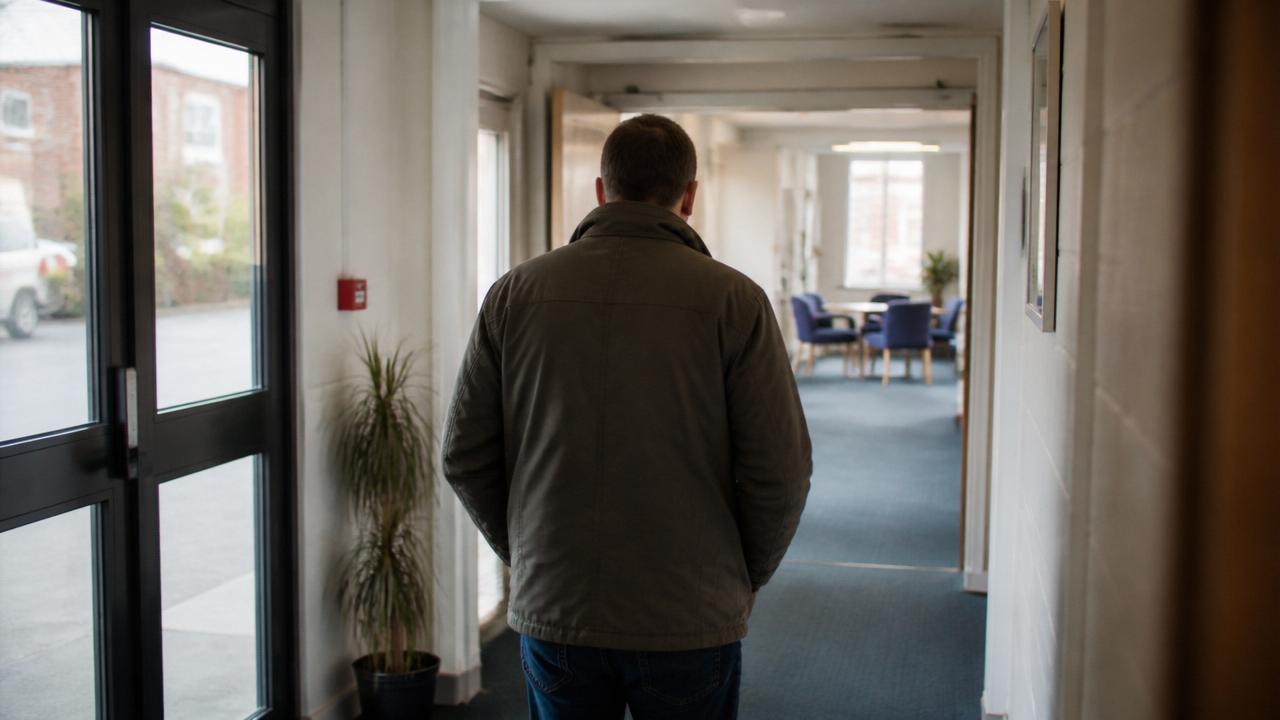
Military service gives people a very particular kind of confidence. It is not primarily about individual ego or self-promotion. It is the confidence that comes from knowing your role precisely, trusting your training completely, understanding exactly where you fit within a larger structure, and being certain that the people around you share the same values and will behave in predictable ways under pressure. That is a deeply reassuring environment to operate in, even when the conditions themselves are anything but reassuring.
When service ends, most of those foundations disappear simultaneously. The role, the structure, the mutual understanding, the predictability of how people will behave, the shared language that makes communication efficient: all of it goes at once. What tends to replace it is civilian life, which provides none of that scaffolding automatically and which operates on very different terms.
How the shift tends to present
The loss of confidence that follows transition does not always announce itself clearly. It is more commonly described as a vague sense of not quite fitting, of being overqualified for certain civilian interactions while simultaneously feeling underprepared for the specific social and professional demands that civilian life makes. Veterans who led teams, made consequential decisions under genuine pressure and held significant responsibility can find themselves hesitating in situations that would have felt entirely straightforward in service.
This is disorienting precisely because the underlying capability has not diminished. The skills, the resilience, the judgement: none of it disappeared. What changed was the context, and with it the cues that used to confirm that you were operating effectively. In service, feedback was relatively clear: the mission succeeded or it did not, the assessment was passed or failed, the standard was met or it was not. Civilian environments provide much less clear feedback, and the absence of clear signals tends to amplify self-doubt in people who were accustomed to them.
The specific contribution of hearing difficulties
Hearing difficulties linked to noise exposure during service have a specific and underacknowledged relationship with confidence. Communication is central to social and professional life, and when communication becomes consistently effortful, people adapt by withdrawing from it. Veterans who would once have led a conversation or contributed easily in group settings begin stepping back, nodding rather than engaging, avoiding the social and professional situations where they know their hearing will be tested.
This withdrawal is rational as an adaptation to a genuine difficulty. But it compounds the sense of disconnection that transition already produces. The social facility that would have made those situations feel natural erodes gradually through disuse, and the confidence that animated it erodes with it. Over time, something that began as a practical hearing problem becomes a source of social anxiety and diminished engagement that is considerably harder to address.
If hearing difficulties are contributing to the way you feel in social or professional settings, addressing them directly is worth prioritising. A GP appointment, a request for an NHS audiology referral, and a mention that you served and that noise exposure during service may have been a factor are the right starting points. If your hearing loss is linked to service, compensation through Justice4Heroes is possible at no upfront cost.
The role of community in rebuilding confidence
One of the most consistently effective things for rebuilding confidence after service is being in the company of people who do not require the extensive contextualisation that civilian environments tend to demand. Veterans’ groups, breakfast clubs, regimental associations and peer support networks all provide this. The ease of being in a room where your background is understood and your frame of reference is shared allows a kind of relaxed engagement that is difficult to access elsewhere.
Beyond connection, finding roles, activities and contexts that use the capabilities service developed tends to rebuild confidence more effectively than abstract self-help. The capability is there. The task is finding environments that recognise and draw on it. Volunteering with veterans’ organisations, mentoring people going through transition, pursuing qualifications in areas where service experience is genuinely relevant: all of these provide the concrete evidence of competence that rebuilds the confidence that context had temporarily obscured.
Veterans’ Gateway (0808 802 1212) can help you find connection and purposeful activity in your area. The Forces Employment Charity supports veterans in finding roles where their background is valued. Heroes Hub’s free guides on employment and transition cover the practical steps in detail.
📚 Free guides: heroeshub.uk.com
📞 Hearing loss claims, Justice4Heroes: 0800 776 5622
🌐 heroeshub.uk.com