Veterans and Volunteering: Giving Back After Service
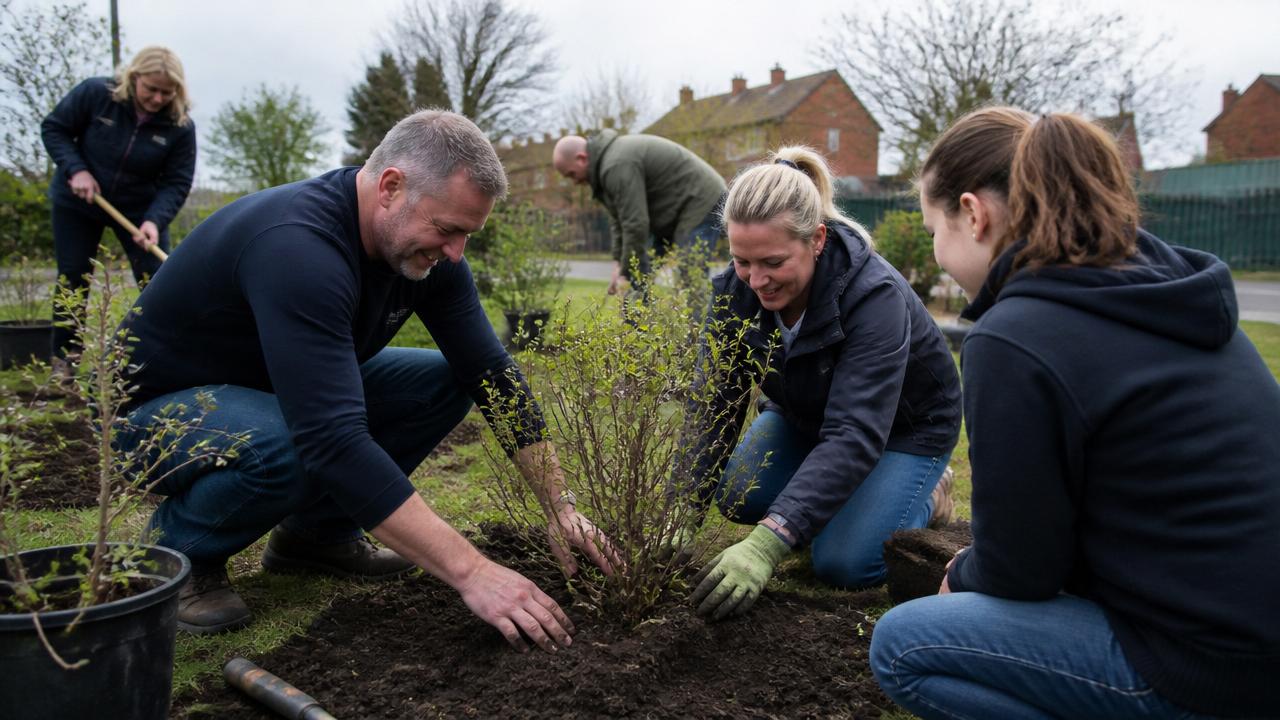
A sense of purpose and contribution is central to military life. When that structure ends, finding other ways to serve, support and make a difference becomes important for many veterans. Volunteering offers one of the most direct routes to doing exactly that, and the skills and experience veterans bring make them particularly valuable in voluntary roles. It can also be a useful bridge during periods when paid employment has not yet been secured, providing structure and a sense of contribution without the pressure of a formal job search alone.
Why Volunteering Works Well for Veterans
Veterans are typically accustomed to working as part of a team, taking responsibility seriously and getting on with tasks without needing close supervision. These qualities are exactly what voluntary organisations need and frequently struggle to find. As a result, veterans who volunteer often find that their experience is valued and that they are given responsibility quickly, sometimes more quickly than they expect, which can itself be a confidence boost during a period of transition.
Volunteering also provides something that the transition period after leaving the forces can lack: a reason to be somewhere, something to contribute and a group of people to be accountable to. These are not trivial things, and for many veterans they make a genuine difference to how they feel day to day.
The Range of Opportunities
Voluntary roles exist across almost every sector and at almost every level of commitment. You might volunteer for a few hours a week with a local food bank, take on a trustee role with a charity, support young people through mentoring, coach a sports team, or give your time to an organisation that works directly with the veteran community. Many roles can also be combined with part-time work or training, making volunteering a realistic option even for those who are not yet ready to commit to full-time employment.
Volunteering within the veteran sector specifically, whether with the Royal British Legion, Combat Stress, Help for Heroes or a local veterans’ charity, allows you to draw on your experience in a directly relevant way and to build connections with others who share your background. For some, this kind of role becomes a stepping stone towards a more permanent career in the charity or veteran support sector.
Volunteering as a Route to Employment
Volunteering can also support your transition into civilian employment. It fills gaps in a CV, demonstrates initiative and commitment and provides references from civilian organisations. For veterans who are uncertain about which direction to take their career, volunteering in different sectors is a low-risk way to explore options before committing to a particular path.
Finding the Right Fit
Not every voluntary role will suit every veteran, and it is worth being honest with yourself about what kind of involvement you actually want. Some prefer hands-on, practical roles such as supporting at events or helping with maintenance and logistics, while others are drawn to roles involving mentoring, advocacy or committee work. Time commitment also varies considerably, from a single afternoon a month to a regular weekly placement, so it is worth being clear about how much time you can realistically offer before committing to a role, particularly while you are also managing other aspects of the transition to civilian life. Most organisations are flexible and willing to discuss what level of commitment works for you.
Volunteering Alongside Other Veterans
There is a particular value in volunteering alongside other veterans, whether through a veteran-specific charity or an informal local group. Shared understanding of military life can make these environments feel more comfortable than purely civilian settings, especially in the early stages of transition. Many veterans who started out volunteering in this way have gone on to take on more formal roles within the veteran sector, including paid positions, having built relevant experience and connections through volunteering first. This route into employment is often overlooked but can be highly effective.
If you are ready to get started, Do-it.org is a national volunteering database that allows you to search for opportunities by location, interest and availability. Many veteran organisations also advertise voluntary roles directly, so it is worth checking with charities you are already connected to as a first step. Heroes Hub has a downloadable guide on volunteering after service, available at heroeshub.uk.com.