
Noise-Induced Hearing Loss: What Veterans Need to Know
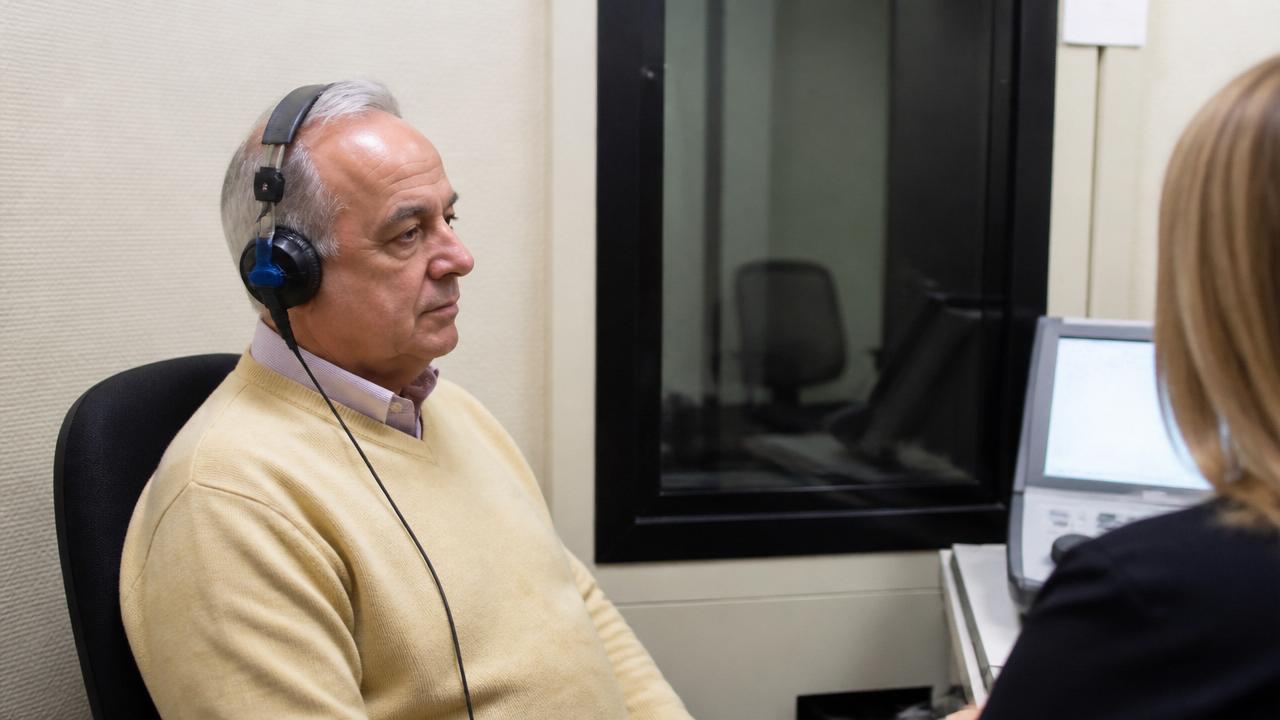
Noise-induced hearing loss is one of the most prevalent health conditions among UK veterans. It develops gradually and is often not taken seriously until it begins to affect everyday life. Understanding what it is, how it develops and what you can do about it is important for anyone who has served.
What Is Noise-Induced Hearing Loss?
Noise-induced hearing loss (NIHL) occurs when the hair cells in the inner ear are damaged by exposure to loud sounds. Unlike age-related hearing loss, which develops slowly over decades, NIHL can result from a single very loud event, such as an explosion, or from repeated exposure to moderately loud noise over time, such as regular weapons training.
Once these hair cells are damaged, they do not regenerate. The hearing loss is permanent, though the rate of decline can be slowed by avoiding further noise exposure. This is one of the reasons hearing protection during any ongoing noisy activity, whether occupational or recreational, remains important even after leaving the forces.
How Does It Progress?
Many people with NIHL first notice difficulty hearing in certain situations, such as following conversation in a noisy room or understanding speech on the telephone. High-frequency sounds are typically affected first, meaning voices can sound muffled or unclear even when they are loud enough to hear.
As the condition progresses, it becomes harder to follow conversation in quiet environments too, and the individual may begin to rely on lip-reading or on others raising their voice without realising they are doing so.
The Link with Tinnitus
Noise-induced hearing loss and tinnitus frequently occur together. Tinnitus, the perception of ringing, buzzing or other sounds without an external source, is often triggered by the same noise exposure that causes hearing loss. For some veterans, tinnitus is the more significant problem, particularly when it is severe or constant enough to interfere with sleep.
Getting a Hearing Assessment
If you suspect you have hearing loss, the first step is to see your GP and ask for a referral to audiology. A formal hearing test, called an audiogram, will show the pattern and severity of any hearing loss. This assessment is also important if you intend to make a compensation claim, as it provides objective evidence of your hearing damage.
Your Right to Compensation
Noise-induced hearing loss and tinnitus are among the most commonly claimed conditions among UK veterans, yet a significant number of those affected never pursue compensation, often because they assume their hearing problems are simply a normal consequence of service rather than something that could and should have been prevented with adequate protection. The Ministry of Defence has a legal duty of care towards personnel, and where that duty was not properly met, veterans are entitled to seek redress regardless of how long ago their service took place.
Living with Hearing Loss Day to Day
Hearing loss affects more than just the ability to hear sound. Many veterans find it changes how they engage socially, particularly in busy environments such as pubs, restaurants or family gatherings where background noise makes conversation difficult. Some withdraw from situations they once enjoyed simply to avoid the strain of trying to follow what is being said. Tinnitus can also affect concentration and sleep, which in turn affects mood and energy levels. Recognising these wider effects is important, both for your own wellbeing and for explaining your situation to family, friends and employers.
Managing Symptoms in the Meantime
While hearing loss itself cannot be reversed, there are practical steps that can make daily life easier. Hearing aids can make a significant difference for many people, even with mild to moderate loss, and are available through the NHS. For tinnitus, some people find that background sound, such as a fan or quiet music, makes the condition less noticeable, particularly at night. Protecting your remaining hearing by avoiding further loud noise exposure is also important, since further damage will only add to the difficulty.
If your hearing loss is related to your military service and was caused or worsened by inadequate hearing protection or unsafe noise exposure, you may be entitled to compensation. Justice4Heroes works with specialist solicitors who handle these claims on a no-win no-fee basis, with nothing to pay upfront and no risk if the claim does not succeed. Contact them at www.justice4heroes.org, email info@justice4heroes.org or call 0800 776 5622 for a free initial assessment.