The Power of Routine: How Structure Helps Veterans Thrive
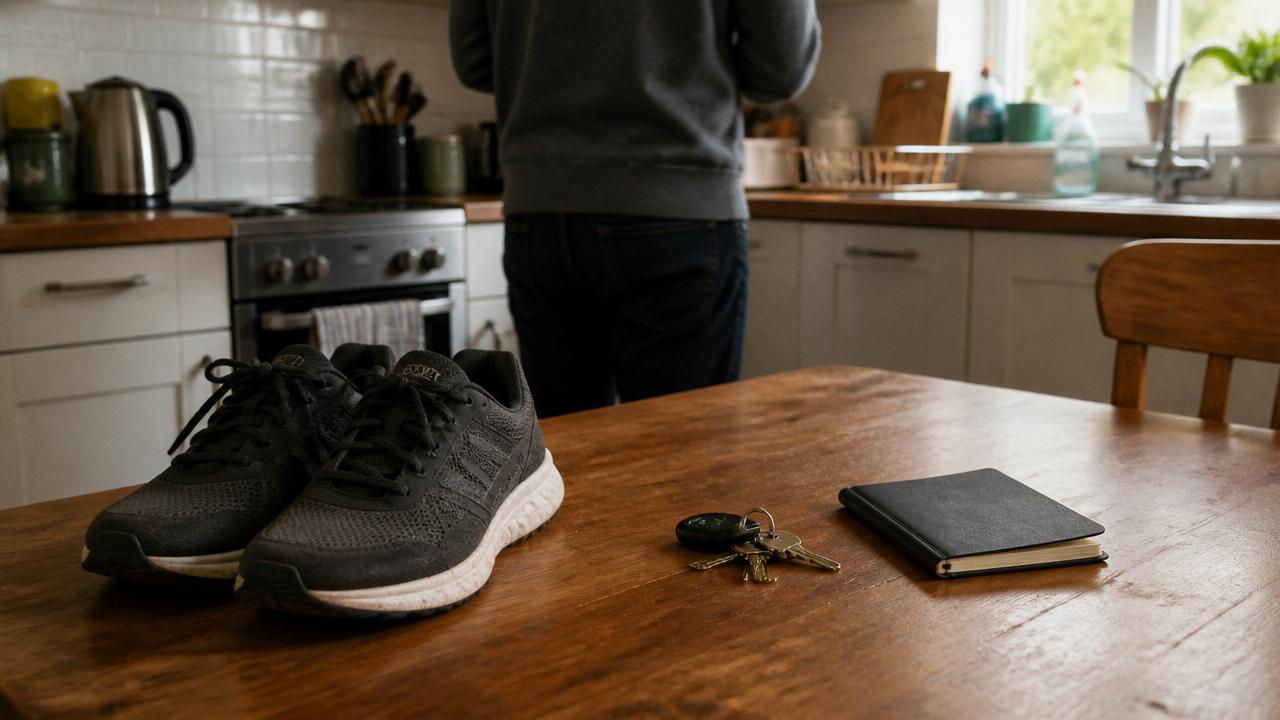
One of the things veterans frequently mention when talking about the challenges of civilian life is the loss of structure. Military life is built around routine. You know when to get up, what you are doing that day, what is expected of you and where you fit in. Civilian life offers none of this automatically, and the absence of routine can be unsettling in ways that are not always easy to articulate.
Why Routine Matters
Routine provides a framework within which decisions are made for you. This is not as passive as it sounds. When your day has a shape, you conserve mental energy for the things that actually require your attention. Without routine, the small daily decisions about when to get up, what to eat, how to spend your time and when to stop for the day can accumulate into a low-level but persistent source of fatigue, sometimes called decision fatigue, which can leave you feeling drained even on days when nothing particularly demanding has happened.
For veterans dealing with anxiety or PTSD, routine can also play an important role in managing symptoms. Predictability reduces the number of unexpected situations in a day, which in turn reduces the number of triggers. This is not about avoiding life, but about creating a stable base from which to engage with it.
Building Your Own Structure
In civilian life, you have to build your own routine rather than having one handed to you. This can feel odd at first, but the principles are the same. A consistent wake time, a reason to leave the house, something physical in the day and a defined end point in the evening all contribute to a structure that supports good mental and physical health.
Work provides routine for many people, which is one reason why veterans often find the early period between leaving the forces and starting a civilian job particularly challenging. If you are in that period, finding alternative sources of structure, whether through volunteering, training, sport or other regular commitments, can make a considerable difference.
Routine and Sleep
Sleep is closely tied to routine. The body regulates its sleep-wake cycle based on patterns of light and activity, and disrupting those patterns, whether through irregular hours, shift work or simply staying up late, makes it harder to get quality sleep. Veterans who struggle with sleep often benefit from establishing a consistent bedtime routine as part of a broader approach to managing their sleep. Going to bed and waking up at roughly the same time each day, even at weekends, tends to produce better quality sleep than an irregular schedule, even if the total number of hours is similar.
Routine and Relationships
Routine does not only affect how you feel individually, it also affects the people around you. Family members and partners often notice the difference when a veteran has a settled daily structure compared to when days are unpredictable and unstructured. Shared routines, such as regular mealtimes or a consistent evening wind-down, can also help rebuild a sense of stability within a household, particularly during the early months after leaving the forces when everyone is adjusting to a different way of living together.
When Routine Starts to Feel Like a Struggle
If you find that maintaining even a basic routine feels consistently difficult, that is worth paying attention to rather than dismissing as a lack of willpower. Persistent difficulty getting out of bed, structuring your day or completing simple tasks can sometimes be a sign of low mood, depression or other mental health difficulties that benefit from proper support rather than self-discipline alone. There is no failure in recognising this and reaching out for help.
Small Starts Are Fine
You do not need to impose military-style discipline on your civilian life to benefit from routine. Starting with one or two anchors in the day and building from there is a realistic approach. The key is consistency. A modest routine followed reliably will serve you better than an ambitious one that falls apart after a week.
If you are struggling to find your footing after leaving the forces, you are not alone, and building structure is something you can take at your own pace. Heroes Hub has resources on sleep, mental health and managing the transition to civilian life at heroeshub.uk.com.