Coffee, Conversation and Community, How Veterans’ Groups Actually Work
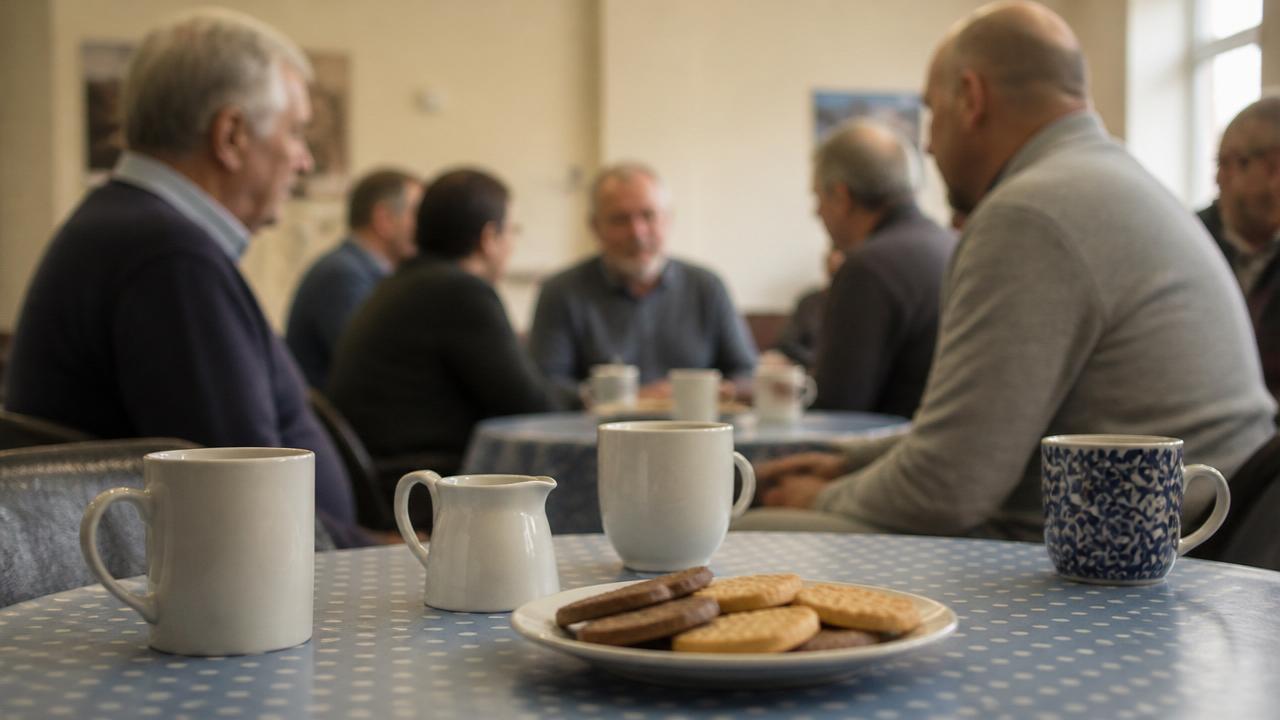
There is a particular kind of conversation that happens in veterans’ groups that does not happen anywhere else. It is not therapy, not a briefing and not a service delivery interaction. It is people talking: about nothing important and everything important, with people who understand why both things can happen in the same exchange. It does not require explanation because the context is already shared. That absence of the need to explain yourself is, in itself, a form of recognition that is difficult to replicate anywhere else.
Veterans’ groups, the informal meet-ups, breakfast clubs, drop-ins and community spaces that operate in towns and cities across the UK, do something that formal services often genuinely cannot. They provide belonging without requirement. You do not need a referral, a diagnosis, a particular level of assessed need, or a reason that would satisfy a bureaucratic process to walk through the door. You need to have served. Sometimes not even that.
What actually happens at a veterans’ group
The format varies considerably. Some groups meet weekly over breakfast. Some are monthly drop-ins in a community centre, a pub function room or a local charity space. Some are organised around a specific activity: a walk, a sport, a craft, a shared interest in military history. What they have in common is the quality of ease that comes from shared background.
Veterans describe the absence of the need to contextualise themselves as one of the most significant things about these spaces. In civilian life, conversations about service, about what you did and what it was like and what it left you with, require extensive setup for a civilian audience. In a room full of veterans they do not. The context is assumed, the shorthand is shared, and the conversation can start from a point that would take hours of preamble to reach elsewhere.
This matters most in the early stages after leaving service, when the gap between the shared language of military life and the communication norms of civilian environments can feel widest. But it continues to matter throughout post-service life, including for veterans who separated decades ago and who still find that certain experiences are most naturally discussed with people who had them too.
The things that come up alongside the tea
It would be wrong to frame veterans’ groups as informal therapy. They are not, and framing them that way tends to put people off rather than attract them. But the conversations that happen in them often surface things that more formal settings have not reached.
A question about a pension that has been sitting unanswered for years. A mention of hearing difficulties that has never been followed up despite being present for a long time. A passing comment about not sleeping properly that turns into a proper conversation about what support might actually be available. An acknowledgement that the transition has been harder than expected from someone who has been presenting as fine.
This happens naturally because the environment is low-pressure and the company is credible. When someone who has been through similar experiences mentions that they looked into a hearing loss claim, or that a particular organisation was genuinely helpful, or that talking to the GP about something they had been putting off was worth doing, it lands differently than the same information delivered by a stranger in a professional context. Veterans trust other veterans.
The evidence that they work
The evidence base for peer support in veteran populations has grown considerably. Studies consistently show that veterans who are connected to peer networks have better mental health outcomes, are more likely to access formal services when they need them, and report higher quality of life than those who are socially isolated. The mechanism is not complicated: connection buffers against the effects of stress and trauma, and connection with people who share your specific background buffers particularly effectively.
Veterans’ Breakfast Clubs have now expanded to more than 400 locations across the UK, reaching tens of thousands of members. They are volunteer-run, low-cost, and almost always welcoming of first-time visitors who arrive knowing nobody. There are no speeches, no uniforms and no requirement to share anything you would rather keep to yourself.
How to find what is available near you
Veterans’ Gateway (0808 802 1212) holds the most comprehensive database of veteran groups and services across the UK. The Royal British Legion, SSAFA, Help for Heroes and Combat Stress all run or signpost to groups in their areas. Many groups operate independently and are worth searching for locally through council websites or community noticeboards.
If you have been meaning to find out what is local to you and have not quite managed it, there is no better moment than now. Most groups require nothing from you, no referral, no commitment to return, no particular reason for being there beyond having served. You just show up.
Heroes Hub’s free guides cover all the areas that tend to come up in veteran group conversations: health, housing, employment, legal rights, finances and family. If you run or support a veterans’ group and would find printed resources useful, get in touch through heroeshub.uk.com.
📚 Free guides and resources: heroeshub.uk.com
📞 Hearing loss claims, Justice4Heroes: 0800 776 5622
🌐 heroeshub.uk.com