Veterans and Sport: How Competitive Drive Transfers to Civilian Life
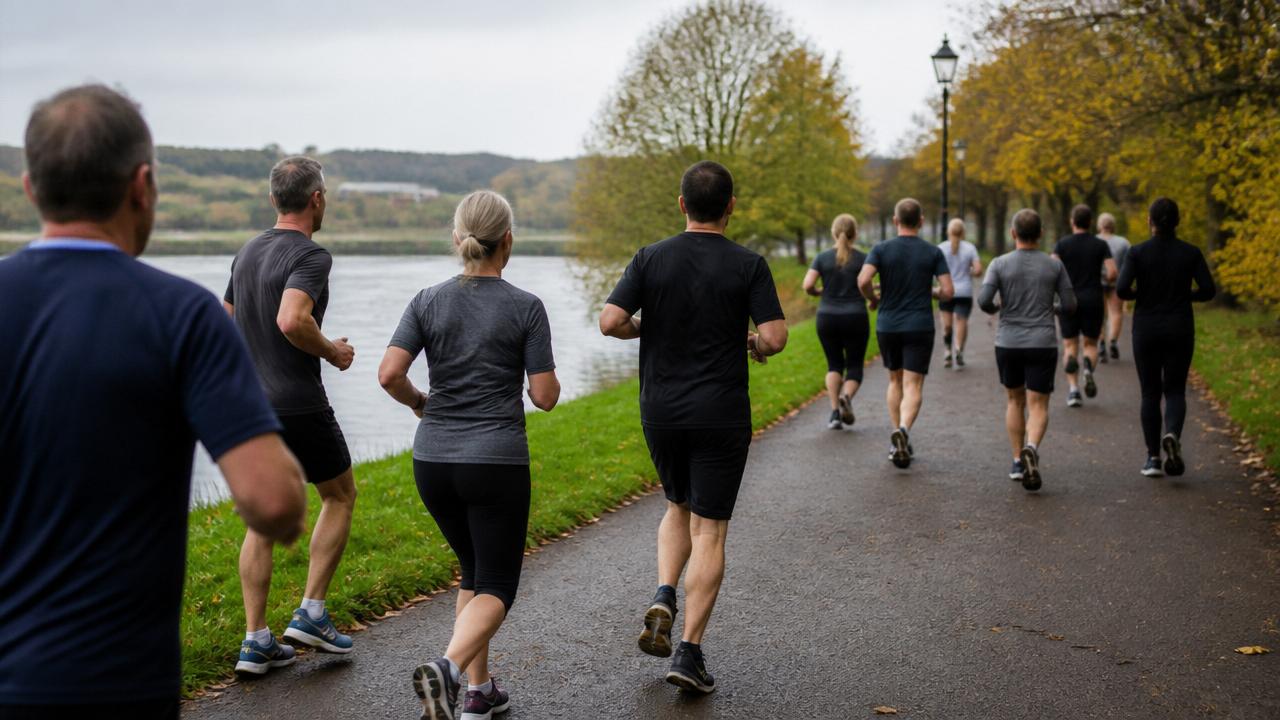
Physical fitness is central to military life. For many veterans, sport and exercise are not just habits formed during service but a core part of who they are. The good news is that this does not have to change after leaving the forces, and in many cases the competitive mindset and physical discipline developed during service can become a genuine asset in civilian sporting life. For others, the challenge is finding a new outlet once the structured fitness testing and unit-based training that came with service is no longer there to provide motivation.
From Service to Sport
Veterans often bring qualities to sport that are genuinely hard to teach: resilience under pressure, the ability to function in a team, mental toughness when conditions are difficult and a capacity for sustained effort. These are not small things, and they tend to show up whether you are running a 10k, competing in a team sport or training for something more demanding. Coaches who have worked with veteran athletes frequently comment on how quickly these qualities translate, even in sports a veteran has never tried before.
Many veterans find that committing to a specific sporting goal after leaving the forces provides a focus that helps with the transition. Having something to train for gives your days structure, gives you a reason to look after your body and connects you to a community outside the military.
The Invictus Games and Beyond
The Invictus Games, the international adaptive sports competition for wounded, injured and sick service personnel and veterans, has done a great deal to raise the profile of veteran sport. But you do not need to have been injured to engage with the broader community of veteran athletes. There are veteran running groups, cycling clubs, martial arts gyms and team sports leagues in most parts of the UK that welcome former service personnel, often advertised through veteran charities or simply through word of mouth within the local veteran community.
Adaptive Sport for Injured Veterans
For veterans dealing with physical injury or disability, adaptive sport offers a route back into physical activity that takes account of changed circumstances. Help for Heroes and other organisations run a wide range of sports and physical activity programmes specifically for injured veterans, from swimming and rowing to wheelchair basketball and archery. These programmes are often run alongside qualified coaches with specific experience of working with injured personnel, which can make a significant difference to confidence as well as physical progress.
Sport and Mental Health
The mental health benefits of regular physical activity are well established. For veterans, sport can also serve a social function, providing a context in which to build new relationships and a shared sense of purpose with others. Team sport in particular can replicate some of the camaraderie of service life in a civilian setting, offering a similar rhythm of shared training, shared goals and mutual reliance on teammates that many veterans miss after leaving the forces.
Setting a Goal Worth Training For
Many veterans find that having something specific to work towards makes training more sustainable than exercising without a clear purpose. This does not need to be elite-level competition. Signing up for a charity run, a Tough Mudder-style event, a local 10k or a club fixture gives training a deadline and a reason to keep showing up on the days when motivation is low. Veteran charities frequently organise their own sporting challenges, which can be a good way to combine a fitness goal with fundraising and connecting with the wider veteran community at the same time.
Channelling Competitive Drive Constructively
For some veterans, the competitive instincts developed during service do not simply disappear once they leave, and without an outlet, that drive can become a source of frustration rather than benefit. Sport offers a constructive channel for that energy, providing a context in which competitiveness is not just accepted but actively useful. Whether it is chasing a personal best, working towards promotion in a league, or simply pushing yourself in training, sport allows that drive to be put to good use rather than left without direction.
If you are looking for veteran-friendly sporting opportunities in your area, Veterans’ Gateway can point you towards local groups and programmes. Heroes Hub also has resources on fitness and wellbeing after service at heroeshub.uk.com.