
Remembrance Beyond November, Supporting Veterans All Year Round
Remembrance Beyond November, Why Veterans Need Support All Year
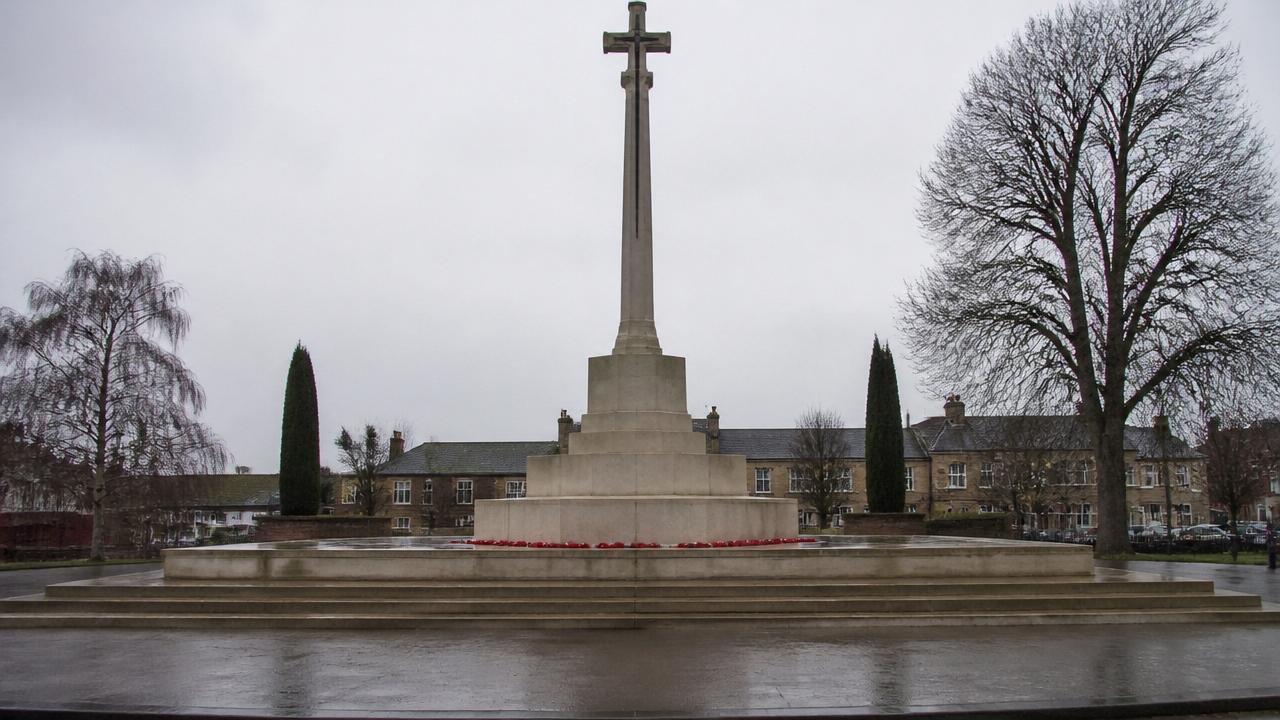
November is the most visible month for the veteran community in British public life. The red poppy, the silence at 11am on the 11th, the ceremonies at cenotaphs across the country and the sustained national conversation about service and sacrifice: these bring a quality of public attention to veterans that the rest of the year does not consistently match.
For veterans themselves, November is experienced in many different ways. Some find the ceremonies genuinely meaningful and connect with the public recognition in a way that feels validating and important. Some find the month emotionally exhausting, surfacing grief, complicated feelings and a weight that takes time to process once the formal remembrance is done. Some feel a disconnect between the public performance of gratitude and the lived reality of accessing the support they are entitled to.
All of these responses are valid. What they have in common is that none of them stop when the poppies come down.
The gap between ceremony and ongoing support
One of the most consistent things veterans describe is the contrast between the quality of recognition they receive in November and the experience of the rest of the year. During Remembrance season, service is a national conversation. Newspapers cover veteran issues, social media amplifies stories of service and sacrifice, politicians make supportive statements, and the general public is engaged with the idea of military service in a way that does not persist beyond the month.
This is not a criticism of Remembrance. The ceremonies matter genuinely and the recognition is real. The point is simply that recognition and support are different things, and veterans need both consistently rather than one intensively in November and significantly less at other times.
Access to healthcare, housing support, mental health services, employment assistance and welfare provision does not vary by season. The need for it does not pause after Remembrance Sunday. Veterans navigating those systems in January or July face the same challenges as those navigating them in November, without the accompanying public attention.
What everyday support looks like
The most meaningful support for veterans rarely takes the form of grand public gesture. It tends to emerge from the accumulation of ordinary human contact. The neighbour who checks in when someone has been quiet for a while. The family member who follows up rather than assuming everything is fine. The friend who does not require explanation and who is available without being asked specifically. The organisation that is there on a Thursday in February as reliably as it is on Remembrance Sunday.
For families and friends of veterans, a simple commitment to staying in contact through winter and into the new year, particularly with veterans who live alone or who have limited social connection, can make a genuine difference. Not dramatically. Just consistently. That consistency is what actually builds the sense of not being forgotten.
The months immediately after November
The period directly following Remembrance tends to be harder than the month itself for veterans who found November meaningful but also emotionally demanding. The national conversation moves on, the social occasions that the season produced wind down, and the dark, cold January that follows can feel particularly quiet. Veterans who connected with something important during Remembrance can feel the subsequent absence sharply.
Veterans’ groups and community organisations play a particularly important role during this period. A regular commitment to a breakfast club, peer support group or any community space that maintains its programme through winter provides continuity at a time when continuity is most valuable. Veterans’ Gateway (0808 802 1212) can help you find what is available in your area throughout the year, not just in November.
For veterans who find Remembrance complicated
Not every veteran experiences November as straightforward. Grief for colleagues who did not come home. Moral injury from events witnessed or participated in. Complicated feelings about specific conflicts, specific decisions, or specific aspects of service that resist the simple narrative of sacrifice and pride. The emotional content of those experiences does not fit neatly into the public ceremony, and the awareness that it does not can itself be isolating.
If Remembrance brings up things that feel difficult to carry, that is worth acknowledging rather than pressing past. Op COURAGE, the NHS mental health service for veterans, can be self-referred at nhs.uk/opcourage without a GP referral. Combat Stress (0800 138 1619) runs a 24-hour helpline available to veterans and their families at any point in the year. Heroes Hub’s free guide on mental health after service is available at any time.
Service does not end in November. Neither does the entitlement to support.
📚 Free guides: heroeshub.uk.com
📞 Hearing loss claims, Justice4Heroes: 0800 776 5622
🌐 heroeshub.uk.com