
Veterans and Gardening: Finding Calm After Service
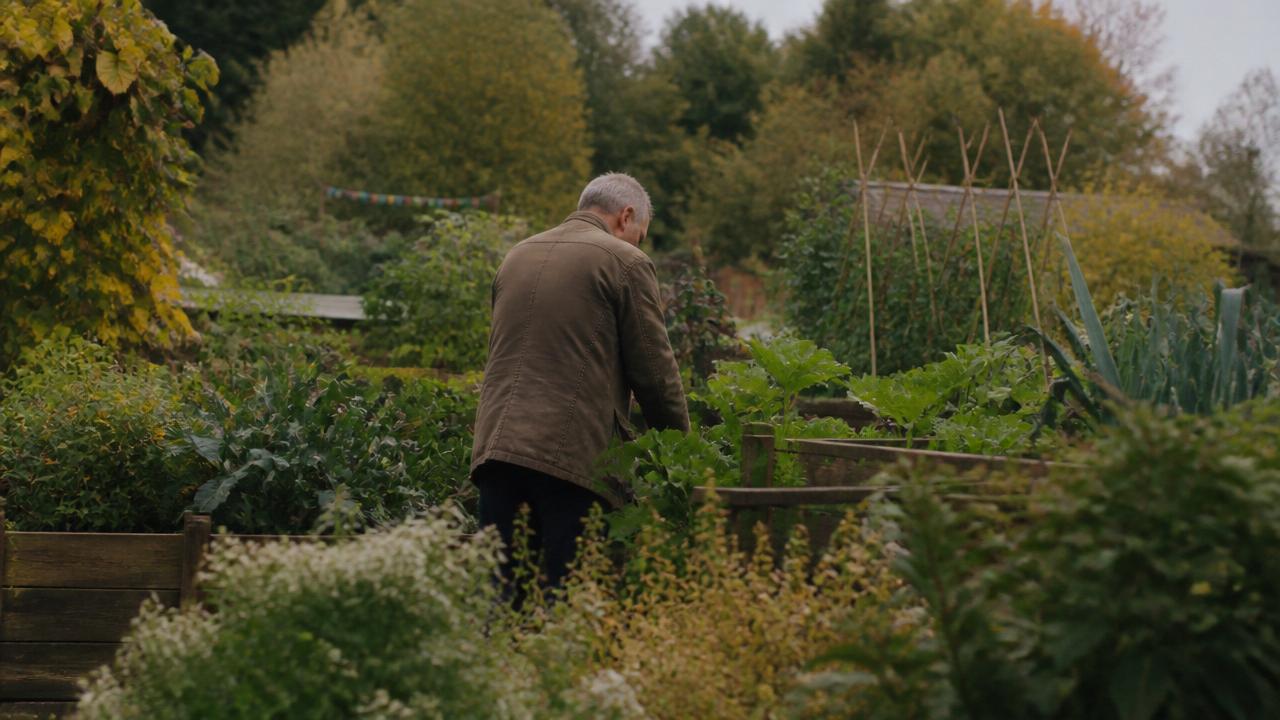
Gardening might not be the first thing that comes to mind when thinking about life after the military, but it has become an increasingly recognised source of wellbeing for veterans. There is a growing body of evidence behind it, and many veterans find that working with their hands and spending time outdoors provides something that is hard to replicate indoors. It is also one of the few activities that asks nothing of you in terms of performance or comparison, which can make it a welcome contrast to the more structured, target-driven pace of service life.
Why Gardening Works for Many Veterans
Military life is built around structure, physical activity and a sense of purpose. Civilian life does not always provide these things naturally, particularly in the early stages of transition. Gardening offers all three. There is work to do, a rhythm to follow and a visible outcome to the effort you put in. Watching something you planted begin to grow is a straightforward but genuine form of satisfaction.
Time outdoors also has well-documented benefits for mental health. Fresh air, natural light and exposure to green space have all been linked to reduced stress and improved mood. For veterans dealing with anxiety, PTSD or the low-level restlessness that can follow leaving the forces, time in a garden can offer a space to settle, away from the noise and pace of everyday civilian life.
You Do Not Need a Large Garden
You do not need to own a large garden, or any garden at all, to benefit. Allotments are available in most areas for a modest annual fee and offer both the space to grow and a community of fellow growers. Container gardening on a balcony or windowsill is another option, and community gardens in many towns welcome volunteers.
Veterans’ Gardening Initiatives
Several organisations run gardening programmes specifically for veterans. HighGround is a UK charity that delivers horticultural therapy for serving personnel and veterans, including at the Defence Medical Rehabilitation Centre, and helps service leavers and veterans move into land-based careers such as horticulture and forestry. The Royal Horticultural Society has also partnered with veteran organisations to offer access and training.
Some of these programmes are accredited, meaning you can gain horticultural qualifications while taking part. For veterans considering a career change into horticulture, landscaping or grounds management, this can be a meaningful starting point. The combination of structured learning, hands-on practice and a recognised qualification at the end can make this kind of programme particularly appealing for veterans who want a tangible next step rather than an open-ended hobby.
A Different Kind of Mission
For many veterans, the appeal of gardening comes down to something simple: it gives you something to look after. The discipline and attention that served you well in the military translate well into caring for plants, managing a plot or building a productive growing space. It is a quieter kind of purpose, but no less real for that, and it asks for patience rather than urgency, which can itself be a useful thing to practise.
Getting Started Without Experience
You do not need any prior gardening knowledge to get started. Vegetables such as potatoes, beans and salad leaves are forgiving for beginners and produce visible results relatively quickly, which can be encouraging when you are starting out. Local garden centres, allotment associations and community gardening groups are usually happy to offer advice to newcomers, and many areas have informal networks of growers who are glad to share tips, seeds and surplus produce. Starting small, with a single container or a corner of an allotment plot, is a sensible way to build confidence before taking on something larger.
Finding an Allotment or Community Plot
Allotments are managed by local councils or independent allotment associations, and availability varies considerably depending on where you live, with some areas having waiting lists. Your local council website is usually the best starting point for finding out what is available nearby and how to register interest. Community gardens, often run by charities or local volunteer groups, can be a quicker way to get growing while you wait for an allotment plot of your own.
If gardening sounds like something you would like to try, there is no need to wait for the perfect plot or the right season. Heroes Hub has a range of resources on health and wellbeing after service at heroeshub.uk.com.